

Bladder Dysfunction & Interstitial Cystitis Treatment in Las Vegas
Your tests came back normal. You're still in pain. There's a reason for that- and it's treatable.
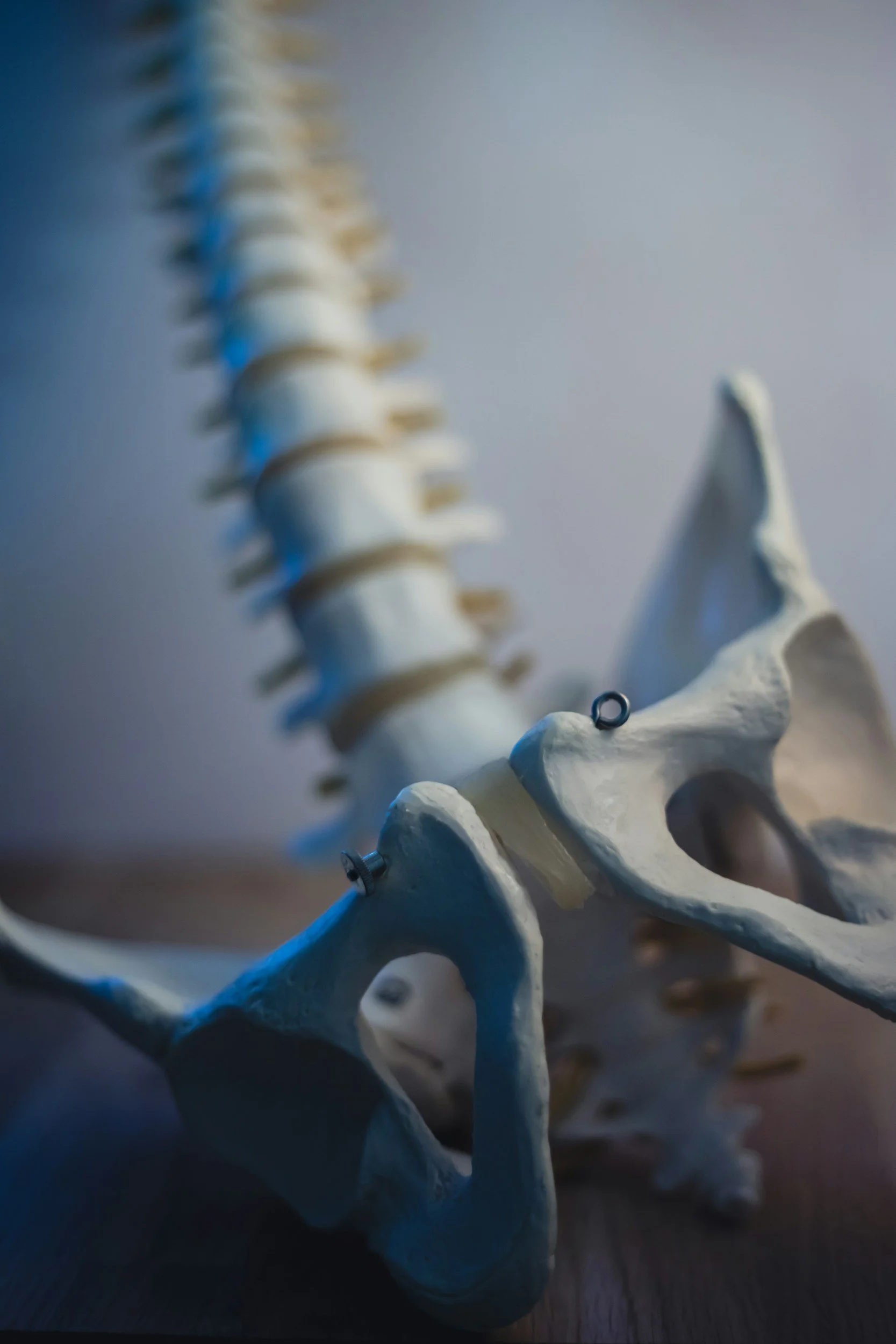
If you've had multiple UTI diagnoses, rounds of antibiotics that didn't help, urodynamics testing that showed nothing unusual, and a cystoscopy that came back clear — you're not imagining it.
Your symptoms are real. The issue is that the standard diagnostic pathway for bladder symptoms often misses the most common cause: the pelvic floor itself.
Bladder urgency, frequency, burning, and pain are frequently driven not by the bladder, but by the muscles, fascia, and nerves surrounding it. That's not something a urine culture or a scope can see. It's something a trained pelvic floor physical therapist can assess with their hands.

Why repeated antibiotics often aren't the answer
A UTI diagnosis should be based on a positive urine culture — bacterial growth confirmed in the lab. In practice, many bladder symptom flares are treated empirically, meaning antibiotics are prescribed based on symptoms alone, without culture confirmation.
When those antibiotics don't resolve the symptoms — or when symptoms return immediately after finishing the course — it's a strong signal that the source isn't bacterial. It's musculoskeletal. We're not here to second-guess your physicians. We're here to offer the evaluation that fills the gap.
What a pelvic floor evaluation finds that imaging doesn't

When you come in with bladder symptoms, we assess:
Pelvic floor muscle tone, coordination, and trigger points
Abdominal wall tension and fascial restrictions
Hip and lumbar mobility
Nerve pathway sensitivity — particularly the pudendal nerve and its branches
Bladder habits and daily mechanics
These are the structures that generate UTI-like symptoms without a UTI. Finding and treating them is what resolves symptoms that have been medically unresponsive.
Interstitial cystitis — and why physical therapy is the standard of care
Interstitial cystitis (IC), also called painful bladder syndrome (PBS), is a chronic condition characterized by bladder pain, urgency, frequency, and pelvic discomfort — without infection. It's frequently under-diagnosed, often mismanaged, and almost always undertreated.
Here's what most patients haven't been told: the American Urological Association (AUA) lists manual physical therapy by a trained pelvic floor specialist as the only first-line treatment with Level A evidence for IC/PBS. That's the highest evidence classification available. Not medication. Not bladder instillations. Manual PT.
The goal of treatment is to release the myofascial restrictions and trigger points in the pelvic floor and surrounding muscles that perpetuate IC symptoms — many of which are neurologically driven rather than structural. Most patients see meaningful improvement within 6–10 sessions.
Other bladder conditions we treat

Urinary urgency and frequency The sudden, overwhelming urge to urinate — or needing to go 10 or more times per day — is often a pelvic floor coordination problem, not a bladder capacity problem. The muscles that support the bladder are responsible for suppressing urgency signals. When they're overactive or poorly coordinated, the urgency wins.
Nocturia Waking multiple times per night to urinate disrupts sleep and quality of life significantly. In many cases, the cause is pelvic floor dysfunction and bladder habit patterns — both addressable with PT.
Burning or painful urination without infection Urethral and vulvar burning without a positive culture often traces back to pelvic floor tension and nerve sensitivity, particularly along the pudendal nerve distribution. Manual therapy and nerve mobilization address this directly.
Interstitial cystitis — and why physical therapy is the standard of care
Interstitial cystitis (IC), also called painful bladder syndrome (PBS), is a chronic condition characterized by bladder pain, urgency, frequency, and pelvic discomfort — without infection. It's frequently under-diagnosed, often mismanaged, and almost always undertreated.
Here's what most patients haven't been told: the American Urological Association (AUA) lists manual physical therapy by a trained pelvic floor specialist as the only first-line treatment with Level A evidence for IC/PBS. That's the highest evidence classification available. Not medication. Not bladder instillations. Manual PT.
The goal of treatment is to release the myofascial restrictions and trigger points in the pelvic floor and surrounding muscles that perpetuate IC symptoms — many of which are neurologically driven rather than structural. Most patients see meaningful improvement within 6–10 sessions.

Your first visit
We start by listening to your full history — how long you've had symptoms, what you've tried, what helps, what doesn't. We then do a comprehensive assessment of your pelvic floor and surrounding structures.
For bladder dysfunction, this evaluation is genuinely diagnostic. Most patients leave their first visit with a clearer picture of what's driving their symptoms than they've had from any previous appointment.