

Postpartum Pelvic Floor Physical Therapy in Las Vegas
Your 6-week clearance wasn't a full assessment. It was a starting point.

The 6-week postpartum appointment is a check for acute healing.
Your provider is looking for infection, hemorrhage, and gross wound closure — important things. What it typically doesn't include: a pelvic floor muscle assessment, a diastasis evaluation, a scar tissue check, or a conversation about whether your body is actually ready to return to exercise.
Most women are cleared for "normal activity" at 6 weeks without any of those things being assessed. And many spend months — or years — dealing with symptoms they were told would resolve on their own.
They don't have to.
Whether you're 6 weeks out or 6 years out

Postpartum PT isn't only for new moms. We regularly see patients who are months or years past their delivery and still experiencing symptoms they've been told to live with — leaking when they run, discomfort with sex, a core that doesn't feel right, low back pain that started after birth and never fully went away.
If you had a baby and your body hasn't felt like yours since, this is for you.
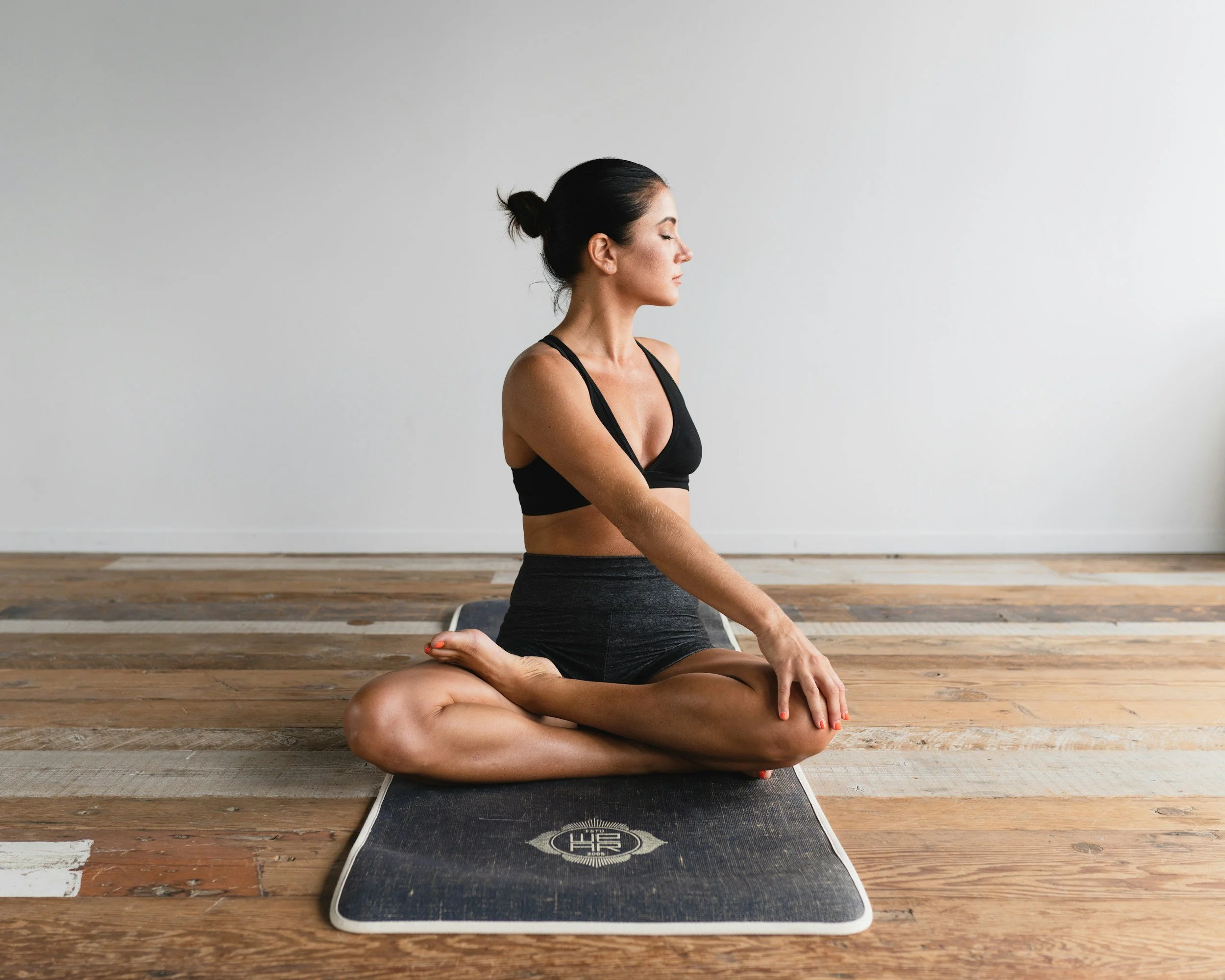
What we see and what we treat.
Urinary leakage — stress (coughing, sneezing, jumping), urgency, or both
Pelvic organ prolapse symptoms: pressure, heaviness, or a sensation of something falling out
Painful intercourse or vaginal dryness
Perineal scar tissue tenderness or tightness
C-section scar sensitivity, numbness, or adhesion
Diastasis recti — the functional gap, not just the cosmetic one
Core weakness or instability
Low back, hip, or SI joint pain that started during pregnancy or after birth
How your delivery shapes what we look for

Vaginal birth, C-section, and instrumental delivery (forceps or vacuum) each affect the pelvic floor differently — and yet most postpartum care treats them identically.
A vaginal birth with a significant tear or episiotomy leaves scar tissue that can affect muscle function, sensation, and comfort with sex for years if it's not addressed. Instrumental deliveries can cause nerve and muscle injury that takes longer to resolve. C-sections — often assumed to be "easier on the pelvic floor" — still involve months of abdominal pressure during pregnancy, and the scar itself frequently causes adhesions that affect core function, bladder capacity, and even low back mobility.
We ask about your birth history because it tells us where to look.

Ready to get back to training?
If you were active before and during your pregnancy, getting back to running, lifting, CrossFit, or high-intensity training is probably a real priority — not a vanity. And the standard advice ("wait until 6 weeks, then ease back in") doesn't come close to covering what your body actually needs.
We specialize in postpartum return-to-sport evaluations. We assess pelvic floor function under load, check for prolapse symptoms with impact, evaluate your diastasis for functional integrity (not just gap width), and build a progressive return-to-exercise plan that doesn't set you back.
You don't have to choose between your recovery and your training. You just need a plan that accounts for both.
Were you a prenatal patient?
The Birth Rx program continues into the postpartum phase. If you worked with us during your pregnancy, postpartum care is the natural next step — we already know your history, your birth, and your goals.
If you're new to us postpartum, you're still in exactly the right place. We'll start fresh, do a thorough evaluation, and build your plan from there.
01
STEP ONE
Symptom management
We address whatever you're dealing with now: pain, pressure, leakage, instability. The goal is to keep you moving, comfortable, and strong through your pregnancy.
02
STEP TWO
Labor preparation
This is the part most patients have never heard of. We work on breathing mechanics, pressure management strategies, optimal fetal positioning, and the pushing techniques that reduce tearing and pelvic floor trauma during delivery. This isn't theoretical — it's hands-on preparation that can meaningfully affect your birth experience.
03
STEP THREE
Postpartum readiness
Before you deliver, we build a plan for what comes after. You'll know what to watch for, when to start rehab, and how to safely return to the activities you love.
Your first postpartum visit
Your first visit is an evaluation- no assumptions, no protocols applied before we know what's actually going on. We'll talk through your pregnancy, your birth, your symptoms, and what you want your recovery to look like.
The physical assessment covers your abdomen, scar tissue (if applicable), pelvic floor muscles, hips, and spine. A pelvic floor exam- internal assessment of the muscles- is typically very helpful postpartum, and we'll walk you through what it involves. It's always your call.
Every session is one-on-one with your therapist.

Ready to stop managing symptoms — and start resolving them?
Book a free consultation. We'll talk through what you're experiencing, answer your questions, and tell you honestly whether pelvic floor PT is the right fit.