

Pelvic Floor Physical Therapy for Men in Las Vegas
Men have a pelvic floor too — and when it stops working right, it affects everything from bladder control to sexual function to daily comfort.
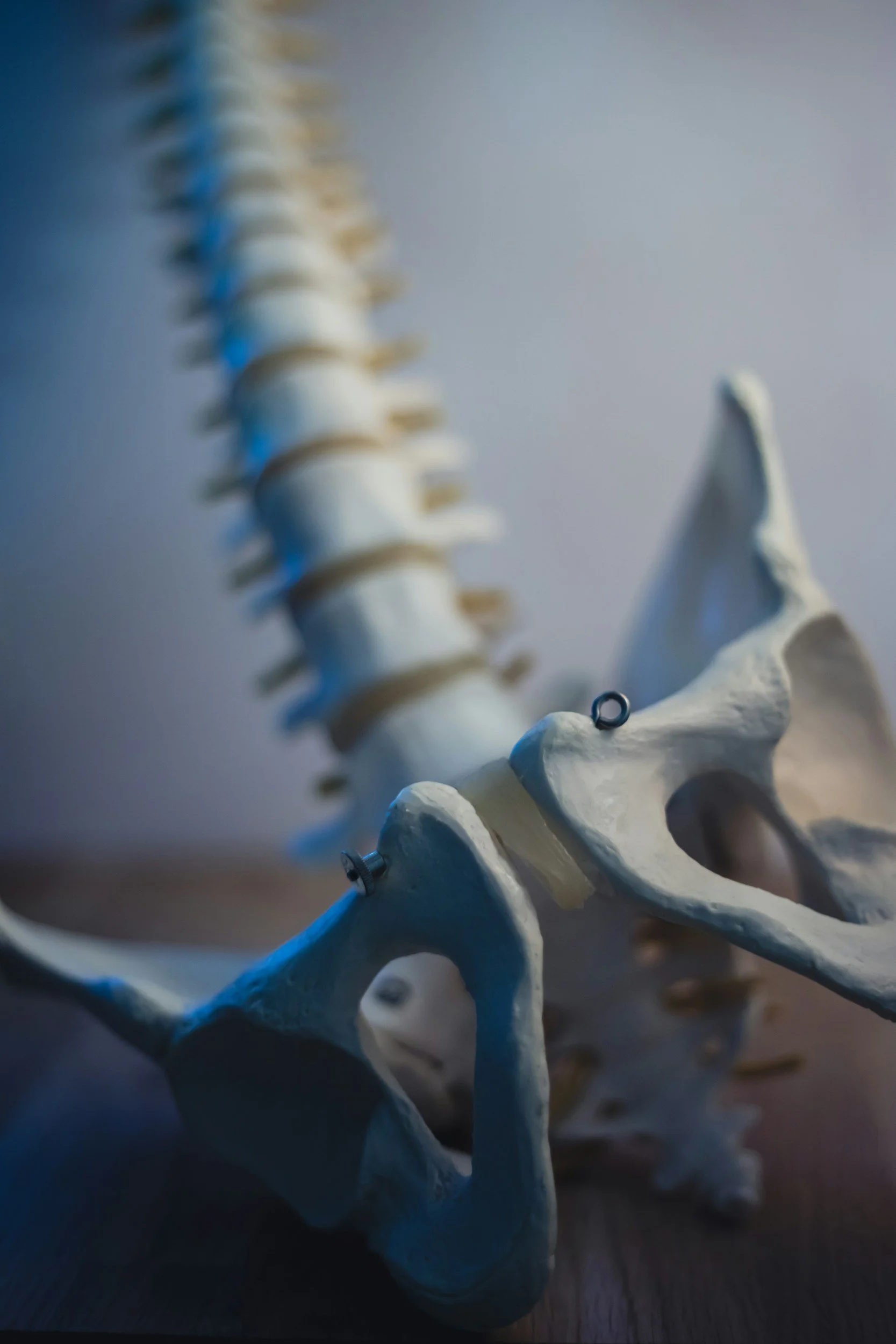
Pelvic floor PT has a reputation as a women's specialty. That reputation is incomplete.
Men have the same group of muscles — wrapped around the bladder, bowel, and prostate — and they're just as susceptible to dysfunction. The difference is that most men have never been told this is an option.
If you're dealing with urinary leakage, pelvic pain, sexual dysfunction, or post-surgical symptoms and haven't gotten answers from the standard medical workup, pelvic floor PT may be exactly what's been missing.

What brings men through our door
Urinary incontinence — leaking with activity, post-void dribbling, or inability to hold
Urinary urgency and frequency
Difficulty starting or maintaining urine flow
Pelvic pain — in the pelvis, perineum, tailbone, or genital
Penile tip or testicular pain
Erectile dysfunction
Painful ejaculation
Symptoms of chronic prostatitis or pelvic floor tension myalgia
Post-prostatectomy recovery
Recovering from prostate surgery

Urinary leakage after prostatectomy is one of the most common — and least prepared-for — outcomes of prostate removal. The sphincter mechanism that controls urinary flow is directly affected by the surgery, and without targeted rehabilitation, recovery can be slow and incomplete.
Pelvic floor PT rebuilds the neuromuscular control of the urinary sphincter and the surrounding muscles. Research consistently shows that patients who begin pelvic floor PT before and after prostatectomy return to continence faster and more fully than those who don't. If you've had prostate surgery — or have one scheduled — this is the most effective thing you can do for your recovery.
When it feels like an infection but isn't
Many men with pelvic pain — urethral burning, urgency, frequency, discomfort with a full bladder, perineal aching — are diagnosed with prostatitis and treated with repeated courses of antibiotics that don't help. That's because in the majority of chronic prostatitis cases, there's no active infection. The source is musculoskeletal: tight or overactive pelvic floor muscles, myofascial trigger points, and irritated nerve pathways that create infection-like symptoms without an infection.
We assess the muscles, connective tissue, and nerves involved — the things a urine culture and PSA test don't show. For many men, this is the first evaluation that actually explains what they're feeling.
When the workup comes back normal

The pelvic floor muscles play a direct role in erectile function — specifically, in maintaining blood flow and pressure during erection. When those muscles are weak, uncoordinated, or carrying excessive tension, erectile function suffers.
If your physician has ruled out vascular and hormonal causes and you're still experiencing ED, a pelvic floor assessment is a logical next step that's rarely suggested. We evaluate muscle function, coordination, and the nerve pathways involved — without judgment, and with the same clinical approach we bring to every patient.
What to expect — including the parts that feel awkward to ask about
We know this can feel unfamiliar. Here's exactly what to expect.
Your first visit starts with a detailed conversation about your history and symptoms. We then do an external assessment of the abdomen, hips, pelvis, and inner thighs — muscles that directly affect pelvic floor function and are often overlooked.
If an internal exam is clinically indicated and you want to proceed, it's performed rectally. It's brief, focused, and — like every part of your care here — completely your call. You can stop at any point. We'll explain what we're doing and why before we do it. Many patients find it provides more clarity about their symptoms than anything else they've had done.

Ready to stop managing symptoms — and start resolving them?
Book a free consultation. We'll talk through what you're experiencing, answer your questions, and tell you honestly whether pelvic floor PT is the right fit.