
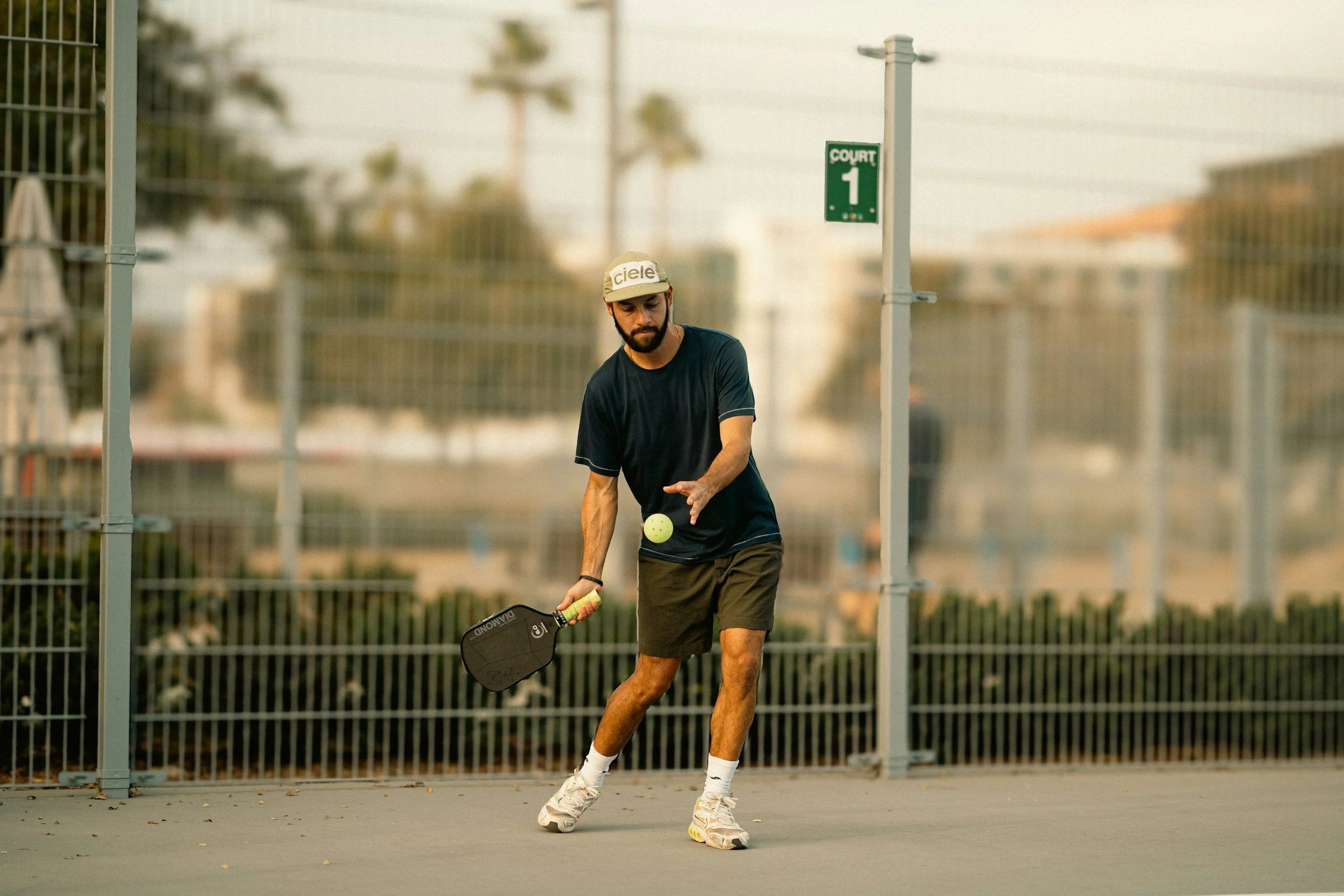
Return to Sport Physical Therapy in Las Vegas
Getting back isn't just about being pain-free. It's about being ready - and knowing the difference.
Pain going away is not the same thing as being ready to return to sport.
It's a distinction that most rehabilitation programs don't make clearly enough- and it's the reason re-injury rates are so high among athletes who've been cleared to return after injury or surgery. Cleared means healed. It doesn't mean the strength, power, neuromuscular control, and sport-specific capacity are there to handle full competition.
That's the gap we're built to close.

Who comes to us for return to sport.
Athletes finishing post-surgical rehab who want to go beyond "medically cleared"
Athletes who had an injury managed elsewhere and don't feel ready despite being told they are
Athletes who returned to sport and re-injured — and want to do it right this time
Athletes who took an extended break (injury, pregnancy, life) and want a structured ramp-back
Youth athletes returning to competition after significant injury
What we test before we clear someone

Return to sport clearance at Pillar Kinetic is criteria-based, not calendar-based. We measure actual readiness across several domains:
Strength symmetry We test limb-to-limb strength using objective measures. The standard for return to running is typically 70–80% symmetry; for return to cutting and contact sport, it's higher. We don't guess — we test.
Power and reactive capacity Hop testing, jump testing, and reactive agility drills assess the explosive output and landing mechanics your sport demands. Deficits here under competition load are where re-injuries happen.
Movement quality under fatigue Most re-injuries occur late in practice or competition, when the athlete is tired. We train and test under conditions that replicate that fatigue — because passing a test fresh doesn't tell us enough.
Sport-specific skill and confidence Return to sport isn't just physical. Athletes who've been through serious injury often carry real psychological hesitation — fear of re-injury, hesitation in movement, protective patterns that persist after the tissue has healed. We address this directly.
What the process looks like
We work backward from your sport and your position or activity demands, then build a progression that closes the gap between where you are and what full competition requires.
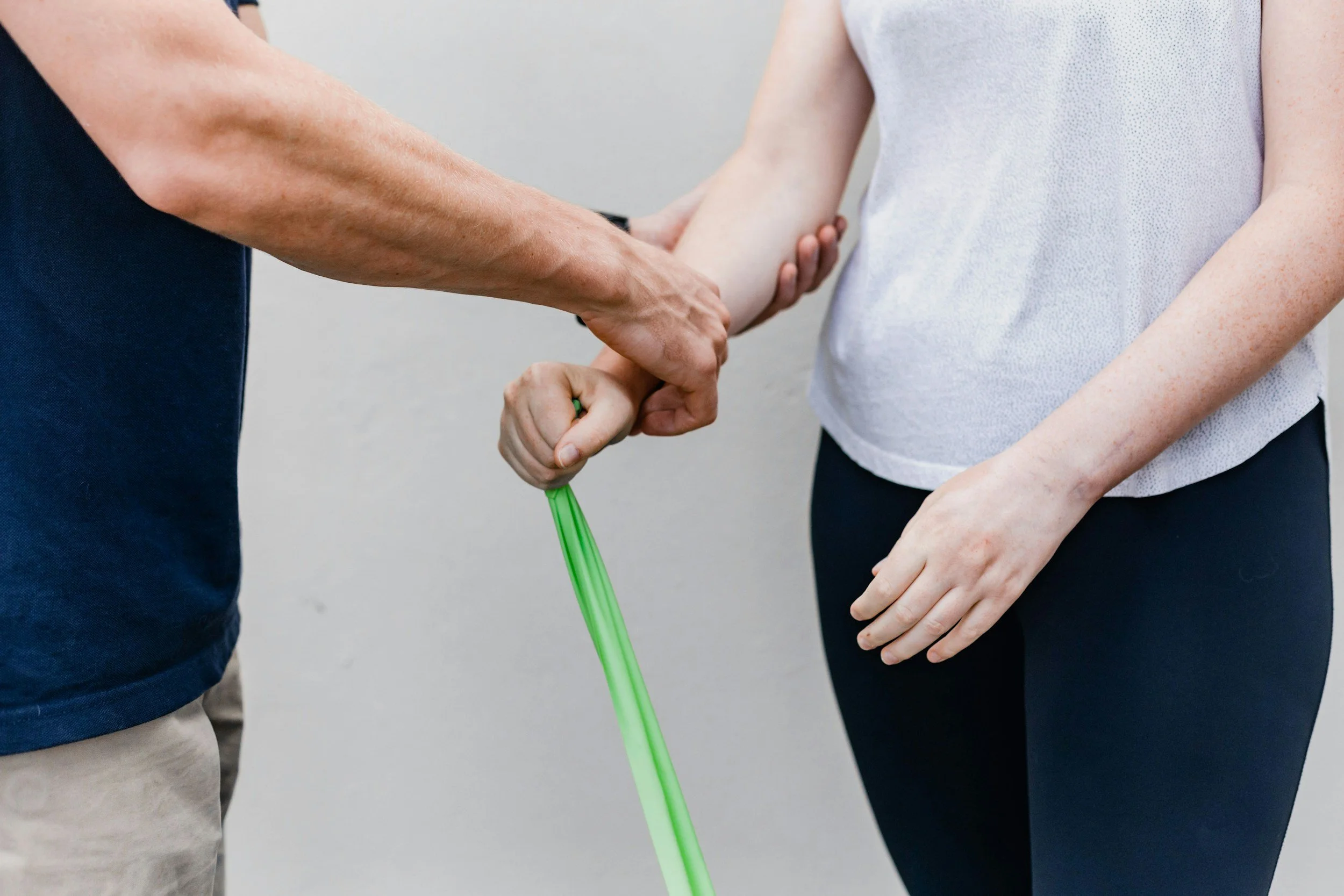
Sessions are structured around loaded movement, sport-specific drills, progressive plyometrics, and objective testing at each phase. This isn't gym time with a PT watching. It's targeted, progressive, performance-oriented rehabilitation — one-on-one, every session.
For athletes coming to us as a final step after primary rehab elsewhere, we begin with a comprehensive re-evaluation to assess where the gaps are and build from there.
For post-surgical athletes
Return to sport after ACL reconstruction, rotator cuff repair, or labral surgery requires more than hitting a time-based clearance milestone. We work with athletes who are post-surgical — whether they rehabbed with us from day one or are coming to us in the final phase — to make sure the criteria are actually met before they go back to competition.

Your first visit
Your evaluation begins with a thorough assessment of your current function — strength, power, movement quality, and sport-specific capacity. From there, we build a return-to-sport progression with clear benchmarks at each phase.
You'll know exactly what you need to achieve to be cleared. No ambiguity.
Sessions are one-on-one with your therapist, every visit.