

Diastasis recti physical therapy in Las Vegas
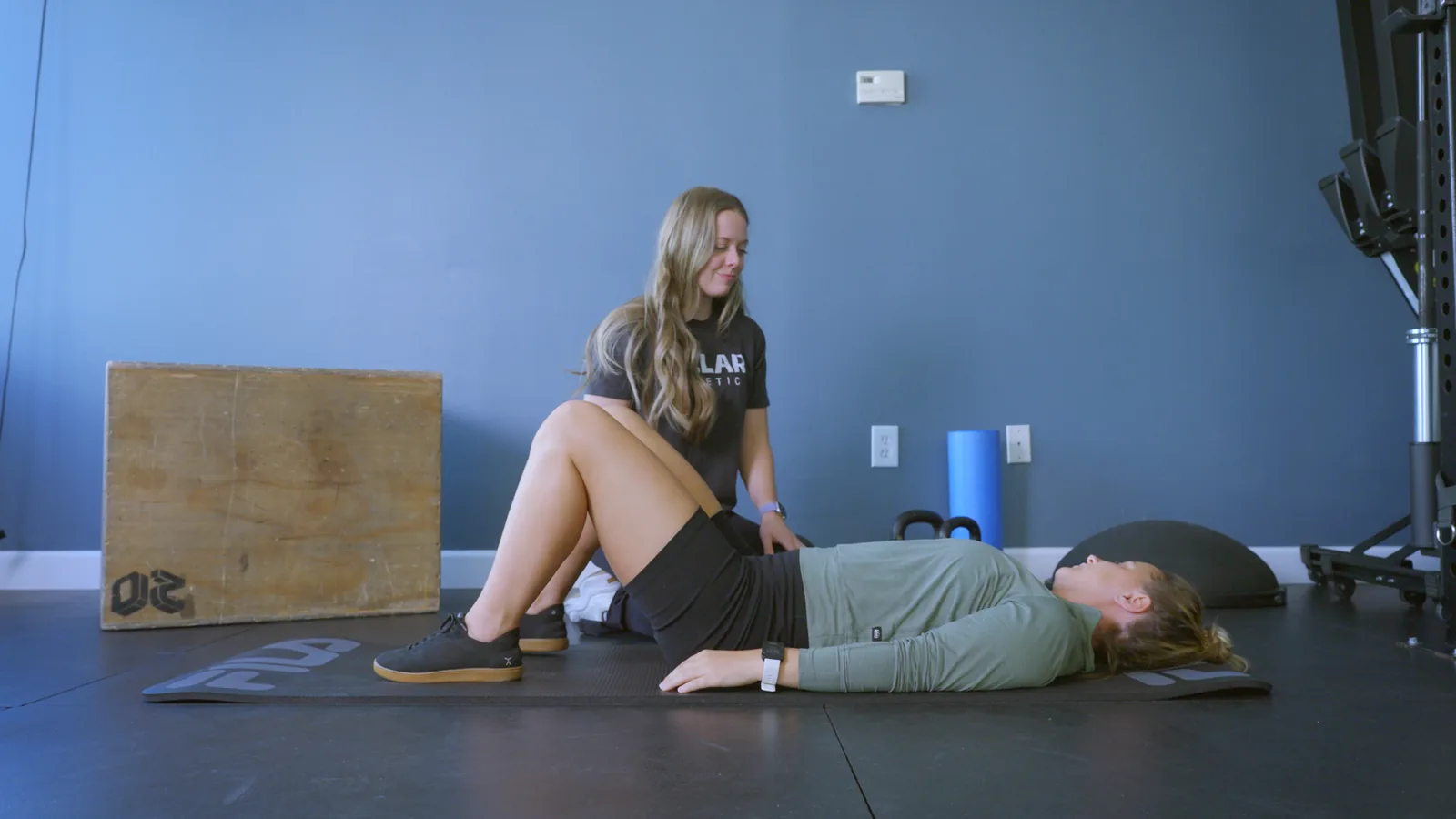
Our article on diastasis and the pelvic floor explains the condition itself. This page is about the care: what we assess, and how the loading progresses.
Signs that bring people in
Some notice it within weeks of giving birth. Others find it months or years later, or after an abdominal surgery.
- A pit or doming along the middle of your abdomen during sit-ups, crunches or planks
- A core that has felt weak or unstable since pregnancy
- Low back pain that started in pregnancy or after birth
- Leaking or a feeling of pelvic pressure as well
- Told to avoid crunches, and unsure what is safe to train
What the assessment looks at
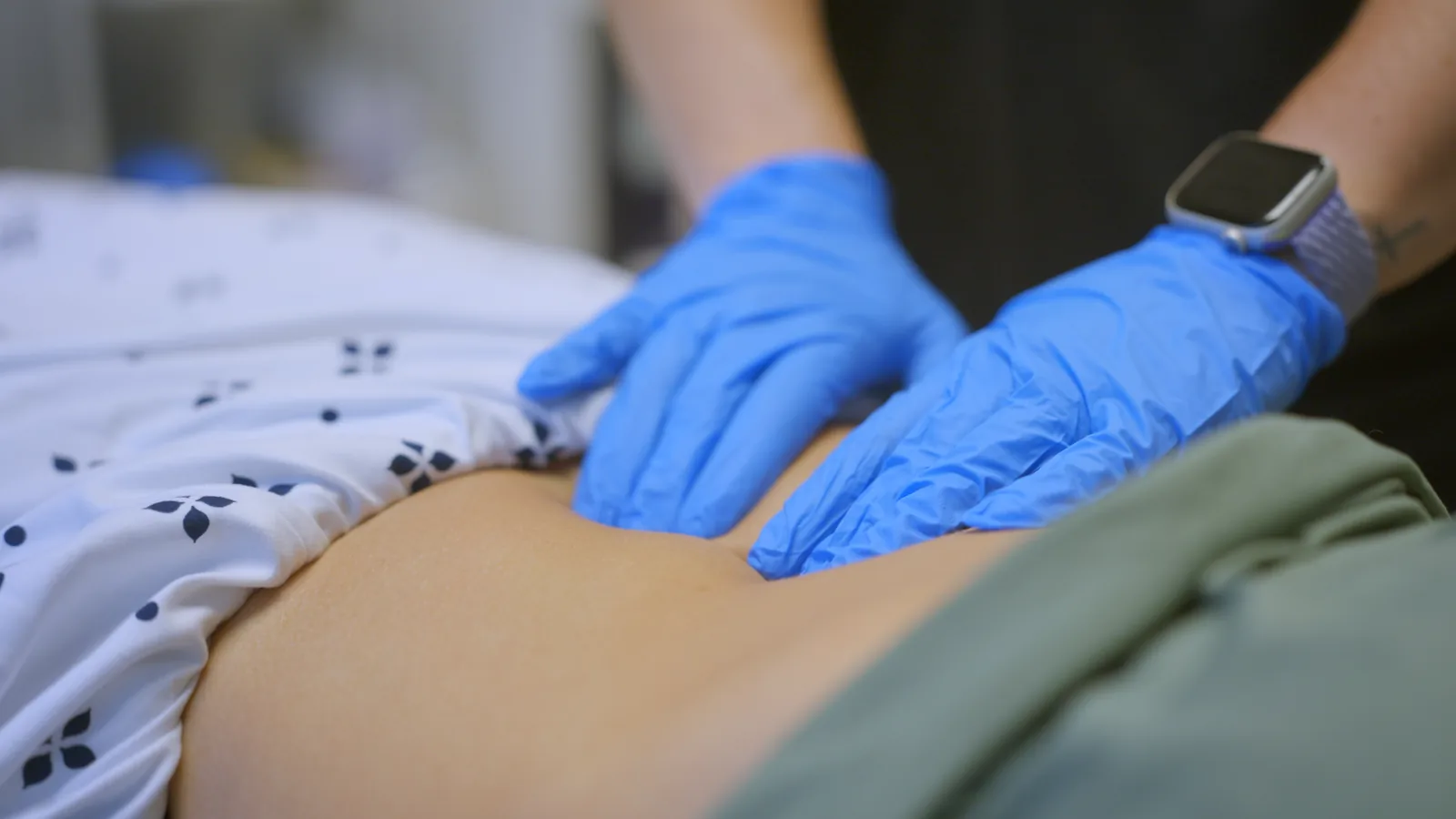
We test by looking and by hand, and with your consent the assessment can include the pelvic floor.
- The width and depth of the gap
- How the abdominal wall holds under load
- Pressure management
- Pelvic floor function
- Breathing and movement strategy
- Scar tissue after a C-section or surgery
Why one-size advice does not work
A diastasis can be wide or narrow, deep or shallow, with few symptoms or many. An exercise that helps one person's separation can make another person's worse, so a blanket rule like never doing crunches does not hold up.
After surgery
Abdominal surgery can leave the same separation, along with scar tissue that can switch off the muscles around it and leave others to overwork. We look at the scar and the tissue around it as part of the plan.
How the loading progresses
Find where pressure breaks down
We look for exactly where pressure control fails, in everyday movements and in the training you want to do.
Retrain the deep core and pelvic floor
Breathing, pressure management and coordination come first, so the deep core and the pelvic floor work together again.
Load it progressively
Load goes up in steps, safely and sufficiently, toward the movements you want back.
Back to training
For runners and lifters, the plan ends with a progressive return to exercise under load and impact.
Your first visit for diastasis recti
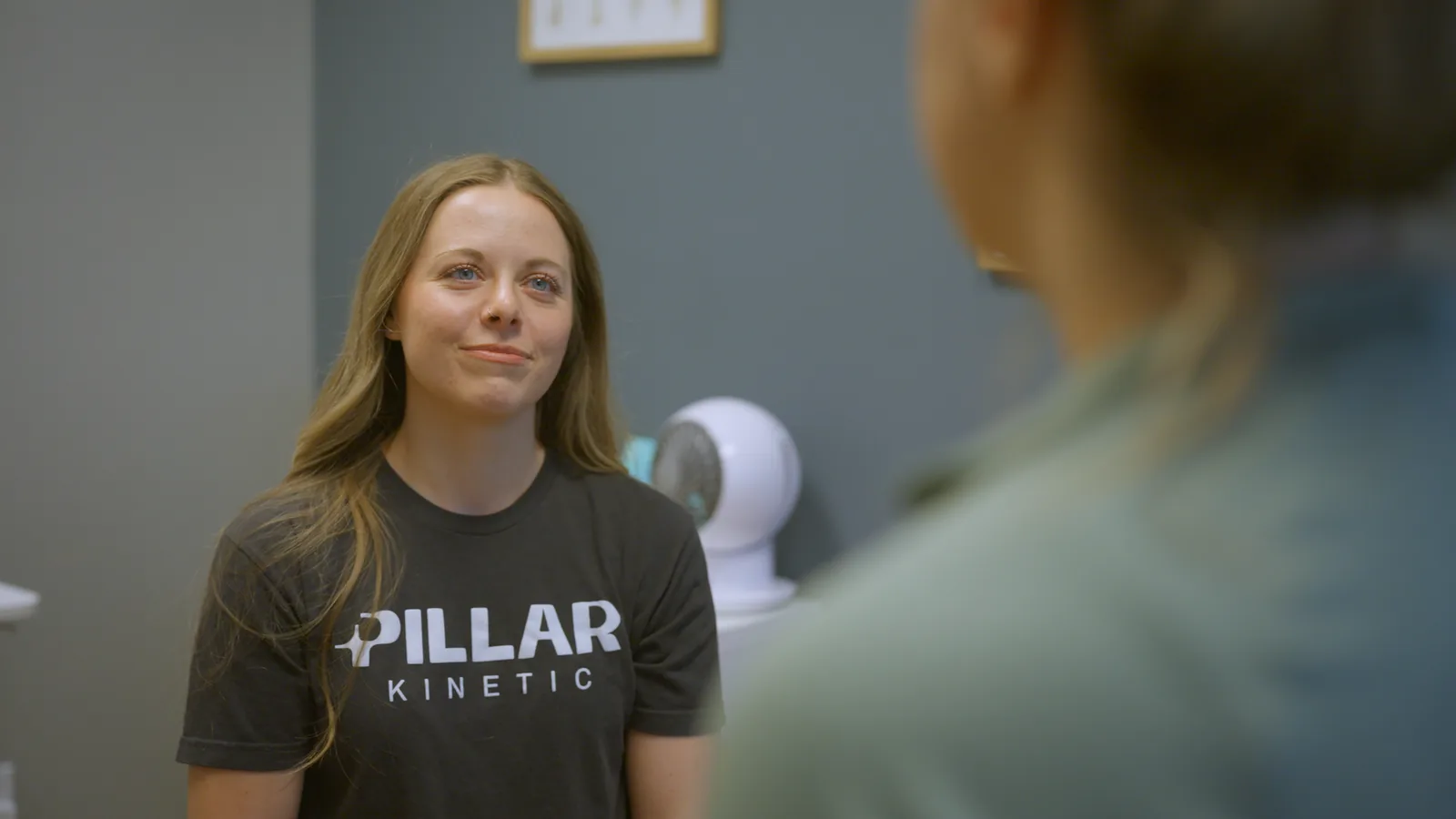
An hour, one-on-one with a pelvic health physical therapist. We talk through your pregnancy or surgery, your symptoms and your goals, then assess your abdomen, any scar, your pelvic floor, hips and spine.
An internal pelvic floor exam can be very helpful, and it is always your call.
Book appointmentFrequently asked questions
Is it safe to do crunches with diastasis recti?
It depends on your separation. The same exercise can help one person and make another person's diastasis worse, which is why we assess before giving you exercises.
Is diastasis recti only a postpartum problem?
No. Pregnancy is the most common cause, but athletes, people after abdominal surgery and people with a round abdomen can have it too.
Can I start while I am pregnant?
Yes. Starting in pregnancy means your abdominal wall is checked early, you learn to load your core without making the separation worse, and there is a plan ready for after the birth.
How soon after a C-section can I start?
You can start working with a pelvic health physical therapist four to six weeks after delivery, and we plan the work around your timeline.
Related care
More in pelvic floor physical therapy: postpartum physical therapy, physical therapy for pregnancy pain, pelvic organ prolapse therapy, and post-surgical pelvic rehabilitation.
Diastasis recti physical therapy for patients from Las Vegas, Spring Valley, North Las Vegas, Summerlin South, Summerlin and Summerlin West, at our clinic at 7381 Prairie Falcon Rd, Ste 110, Las Vegas.