

Rotator cuff rehab in Las Vegas
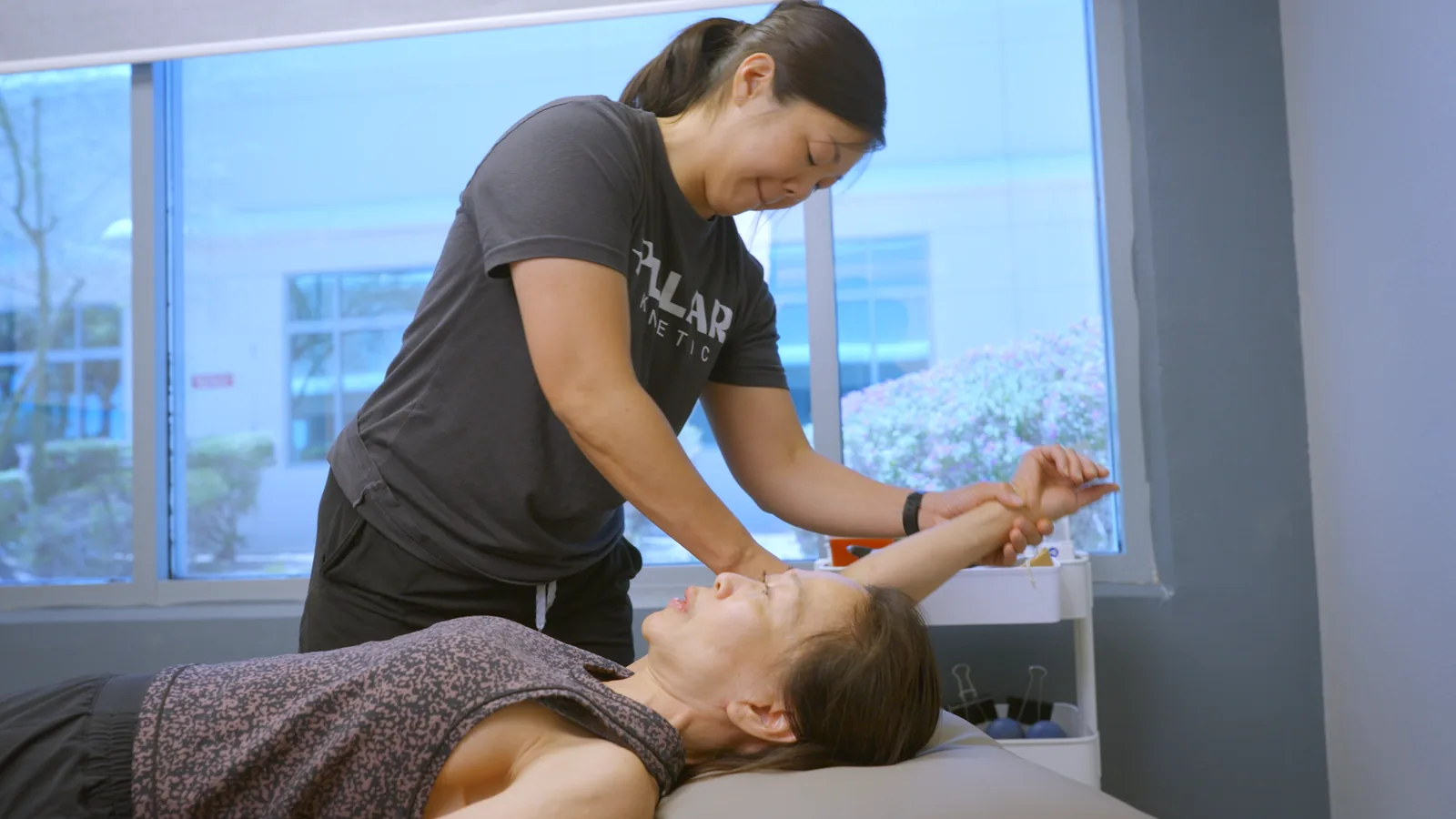
Most shoulder injuries don't require surgery. Most of the ones that do still require great rehab. We handle both.
The shoulder is the most mobile joint in the body, and that mobility is what makes it so vulnerable.
We find out which one you have before we build your plan.
The question worth asking before you schedule the OR
Many patients come to us with an MRI report naming a rotator cuff tear or labral pathology and an assumption that surgery is the next step. Sometimes it is. Often it's not, or not yet.
Research on rotator cuff tears consistently shows that partial tears and even some full-thickness tears can respond well to conservative management, particularly when the patient's functional demands and tissue quality are accounted for. The same is true for many labral injuries.
We'll give you an honest clinical picture. If surgery is the right answer, we'll tell you that, and get you ready for it. If conservative management is worth trying first, we'll tell you that too.
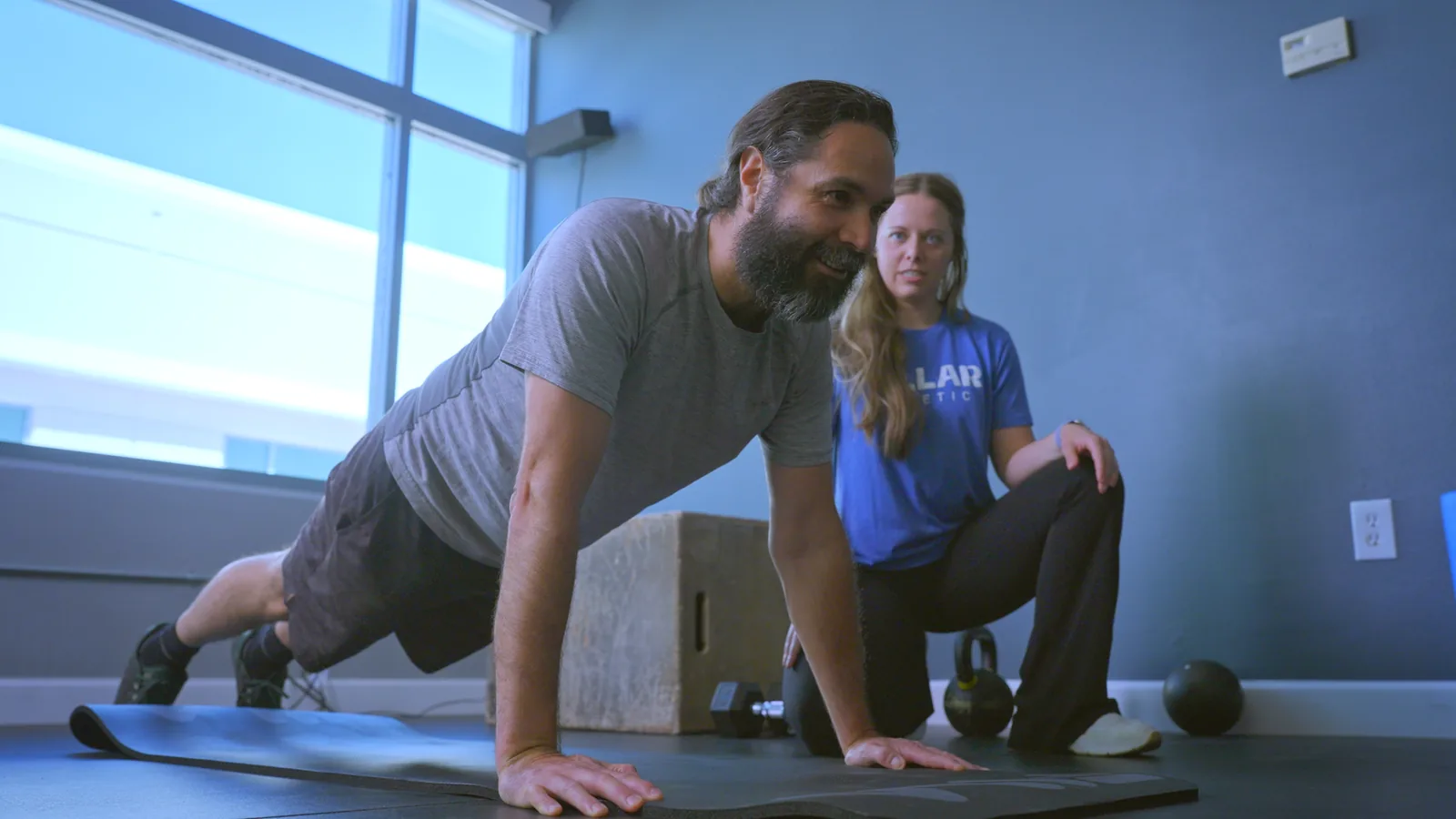
Pitchers, swimmers, volleyball players, tennis players, shoulder care built for overhead demand
Overhead athletes put loads through the shoulder that non-athletes don't. Rehabilitation and injury prevention for this population requires understanding those demands and training into them, not away from them.
We assess throwing mechanics, swim stroke mechanics, and overhead movement patterns as part of your evaluation. Return to sport isn't just about pain resolution. It's about tolerating the full load of your sport without compensation.
A shoulder, and numbness and tingling down the arm
I am a physical therapist in town and chose Pillar Kinetic to help me with my shoulder and numbness/tingling down my arm, so that I could continue training at a high level and prepare for a big trip where I’d be very active.
Shoulder injuries we treat
Rotator cuff tears and tendinopathy
Partial tears, full tears, and tendon irritation all exist on a spectrum, and not all of them require surgery. We evaluate the severity, assess function, and determine whether conservative care is a legitimate path. For those who need surgery, we cover prehab before and full rehab after.
Shoulder impingement
Pain with overhead reaching, lifting, or sleeping on the shoulder. Usually driven by movement dysfunction and muscle imbalance, not structural damage. Responds well to PT.
Labral tears (SLAP tears)
Tears of the glenoid labrum are common in overhead athletes and contact sport athletes. Many are manageable without surgery. We assess function and build a plan, surgical or non-surgical.
Shoulder instability and dislocation
After a dislocation or with chronic instability, rebuilding neuromuscular control of the joint is the priority. We guide progressive strengthening and return to sport-specific demands.
AC joint sprains
Acromioclavicular joint injuries are common in contact sports and falls. Graded conservative management is highly effective for most grades.
Biceps tendinopathy
Pain at the front of the shoulder with lifting or curling. Often associated with rotator cuff dysfunction and responds to targeted loading and manual therapy.
Post-surgical rehab (rotator cuff repair, labral repair, shoulder replacement, stabilization)
Post-surgical timelines are a starting point. We assess tissue healing and functional readiness at each phase, progressing you based on objective measures.
Your first visit
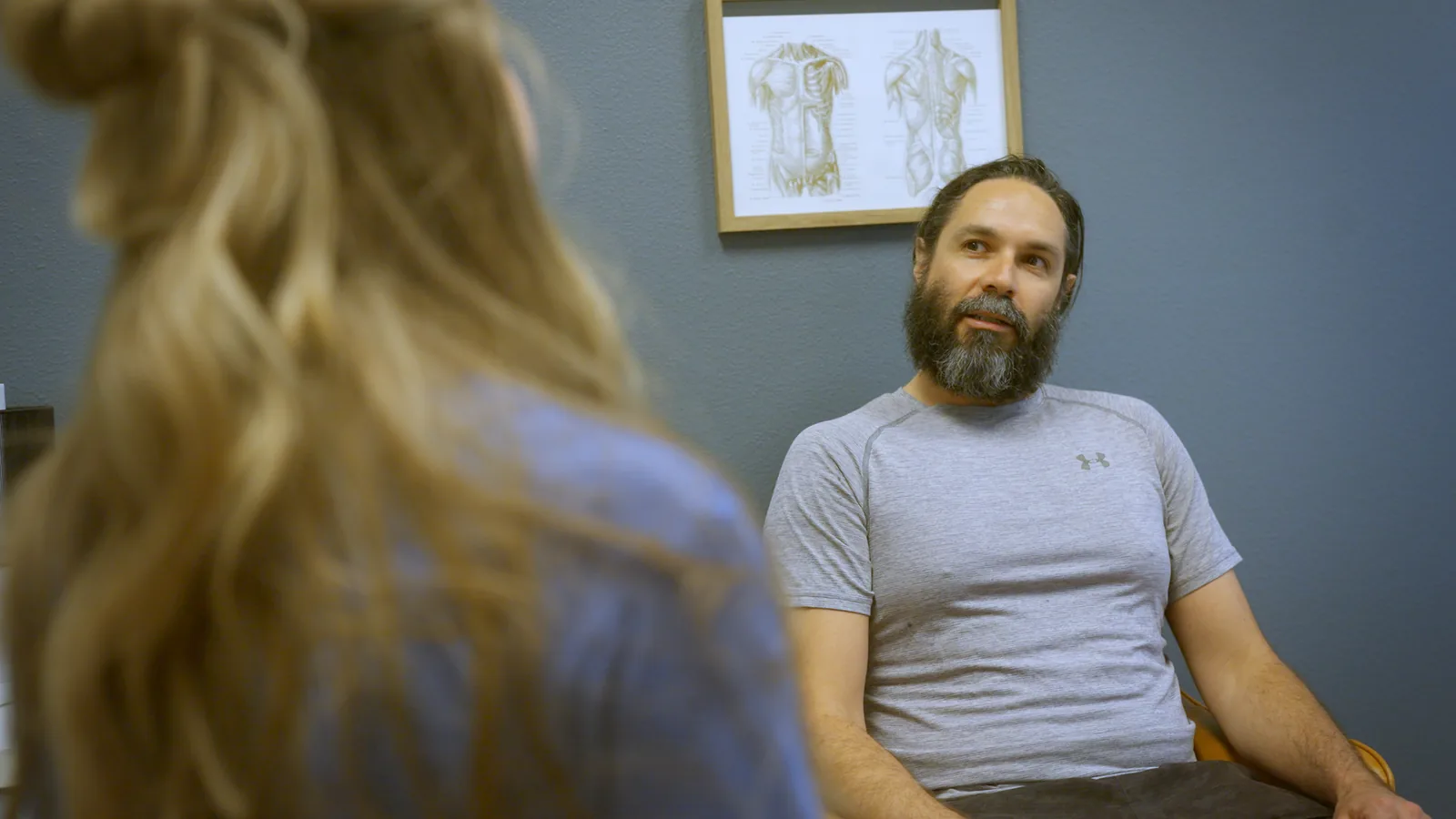
Your evaluation covers shoulder mobility, strength (rotator cuff, scapular stabilizers, and periscapular muscles), joint integrity testing, and movement quality under load. We'll identify what's driving your symptoms and what needs to happen for you to get back to full function.
Sessions are one-on-one with your therapist, every visit.
Book appointmentRelated care
More in performance physical therapy: tennis and golfer's elbow treatment; return to sport testing and rehab; post-surgical physical therapy; and shoulder impingement rehab.
Rotator cuff rehab for patients from Las Vegas, Spring Valley, North Las Vegas, Summerlin South, Summerlin and Summerlin West, at our clinic at 7381 Prairie Falcon Rd, Ste 110, Las Vegas.