

ACL injury rehabilitation in Las Vegas
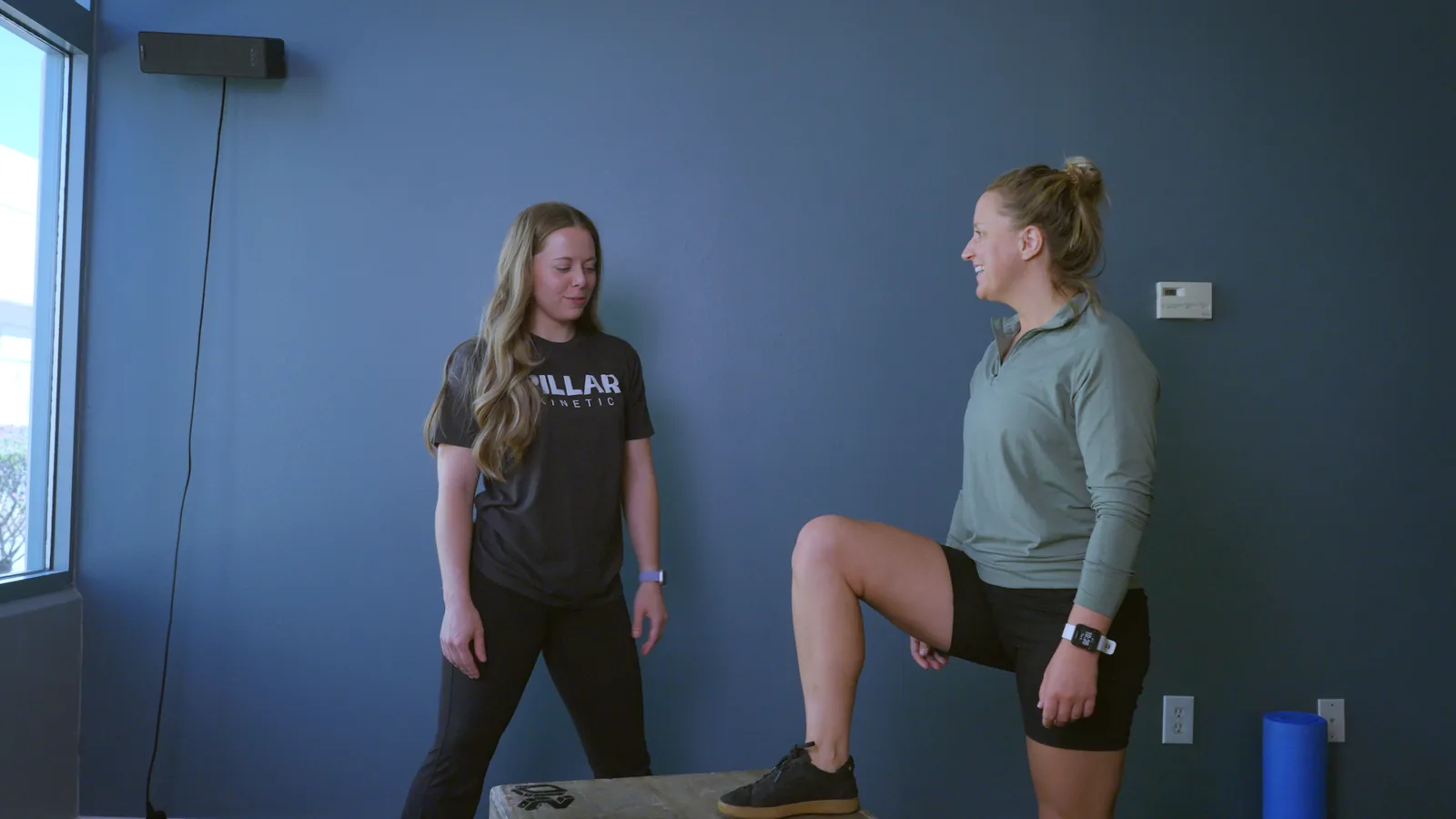
Knee injuries we treat
ACL tears (pre, and post-surgical)
Whether you're preparing for ACL reconstruction or recovering from it, prehab and rehab are both critical to your outcome. We cover both, see below.
Meniscus injuries
Not every meniscus tear requires surgery. We evaluate whether conservative management is the right path and build a rehab plan accordingly. For those who do have surgery, we guide the full recovery.
Patellar tendinopathy (jumper's knee)
Chronic patellar tendon pain is one of the most stubborn overuse injuries in sport. It requires progressive tendon loading done correctly, not rest, not ice, and not the generic exercises most clinics prescribe.
Patellofemoral pain syndrome (runner's knee)
Pain around or behind the kneecap with running, stairs, or squatting. Almost always driven by a combination of hip weakness, movement mechanics, and load management, all addressable.
IT band syndrome
Lateral knee pain that shows up on the run and disappears at rest, until it doesn't. We treat the hip, the mechanics, and the tissue, not just the symptom.
MCL & LCL sprains
Collateral ligament injuries are often managed conservatively and respond well to PT. We guide you through graded loading and return to cutting and pivoting activities.
Post-surgical rehab (ACL, meniscus, lateral release, tibial osteotomy)
Every surgical protocol has timelines, but timelines aren't the whole picture. We assess readiness at each phase using objective measures, not just elapsed weeks.
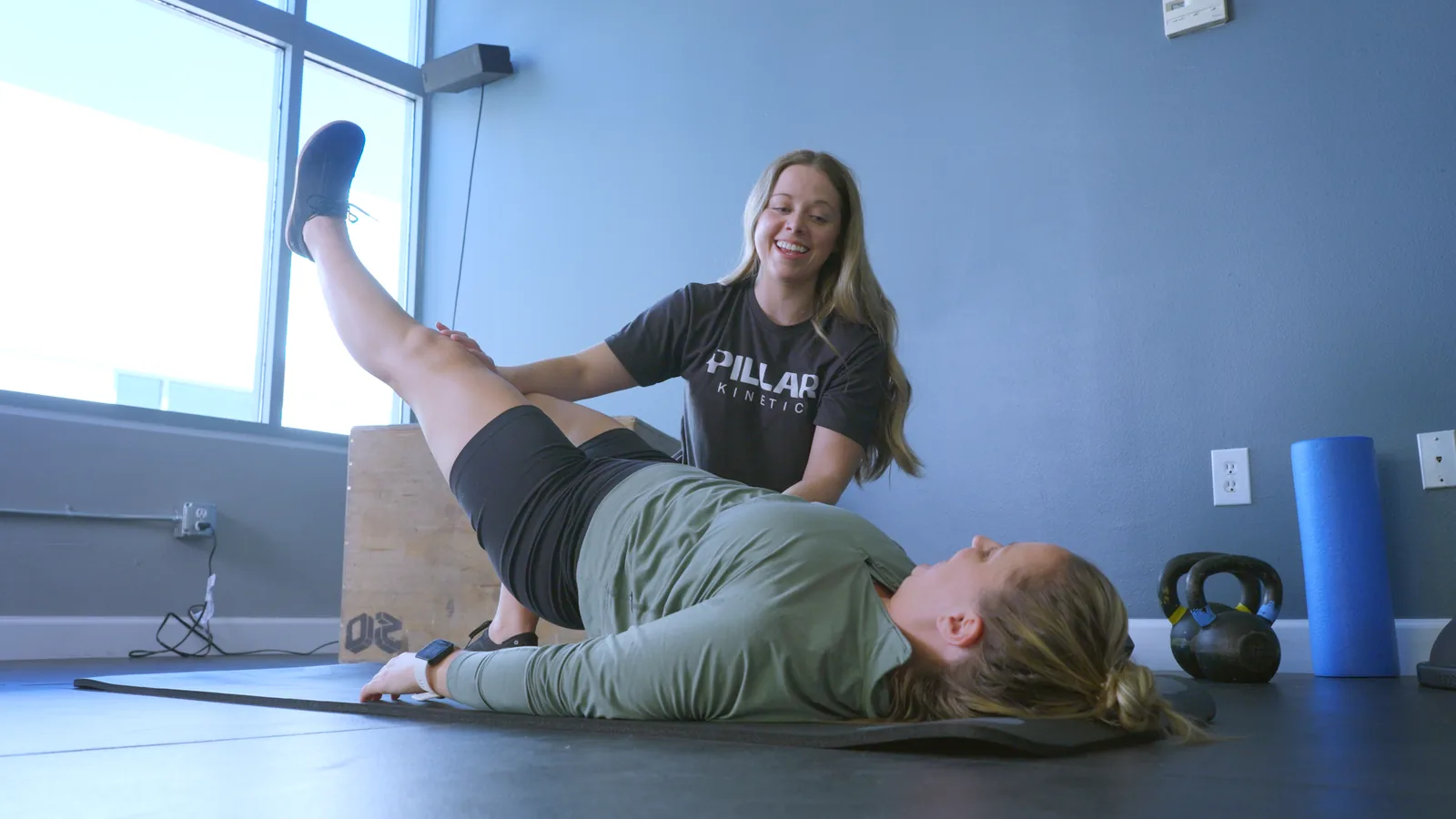
A knee injury changes everything.
The knee is one of the most complex joints in the body and one of the most commonly under-rehabilitated.
Having surgery scheduled? Start here first.
Research consistently shows that patients who complete prehabilitation before ACL or meniscus surgery return to function faster and more completely than those who go straight to surgery. Stronger quads going into surgery mean stronger quads coming out.
We offer prehab programs for patients with surgeries scheduled. Even if you're two weeks out, there's meaningful work to be done.
ACL rehab done right, what most programs miss
ACL reconstruction is one of the most common sports surgeries, and also one of the most commonly under-rehabbed. Research shows that most athletes who tear their ACL will experience either re-tear or contralateral injury within two years of returning, and the primary driver is returning to sport before neuromuscular readiness is actually established.
Time-based return ("cleared at 9 months") is not the same as criteria-based return. We use objective strength testing, hop testing, and sport-specific movement assessment to determine readiness, not a calendar.
Your ACL rehab at Pillar Kinetic moves through clear phases:
Swelling, range of motion, quad activation
The first weeks are about getting the joint quiet, restoring extension, and waking the quad back up. These foundations matter more than people think.
Strength and neuromuscular control
Progressive loading of the quad, hamstring, glute, and hip, the full kinetic chain that supports the knee. Single-leg strength and stability become the focus.
Power, speed, and sport-specific loading
Running, cutting, jumping, and landing mechanics. This phase is where most programs rush. We don't.
Return to sport criteria
Limb symmetry testing, hop testing, psychological readiness, and sport-specific stress testing. You're cleared when the data says you're ready.
Your first visit
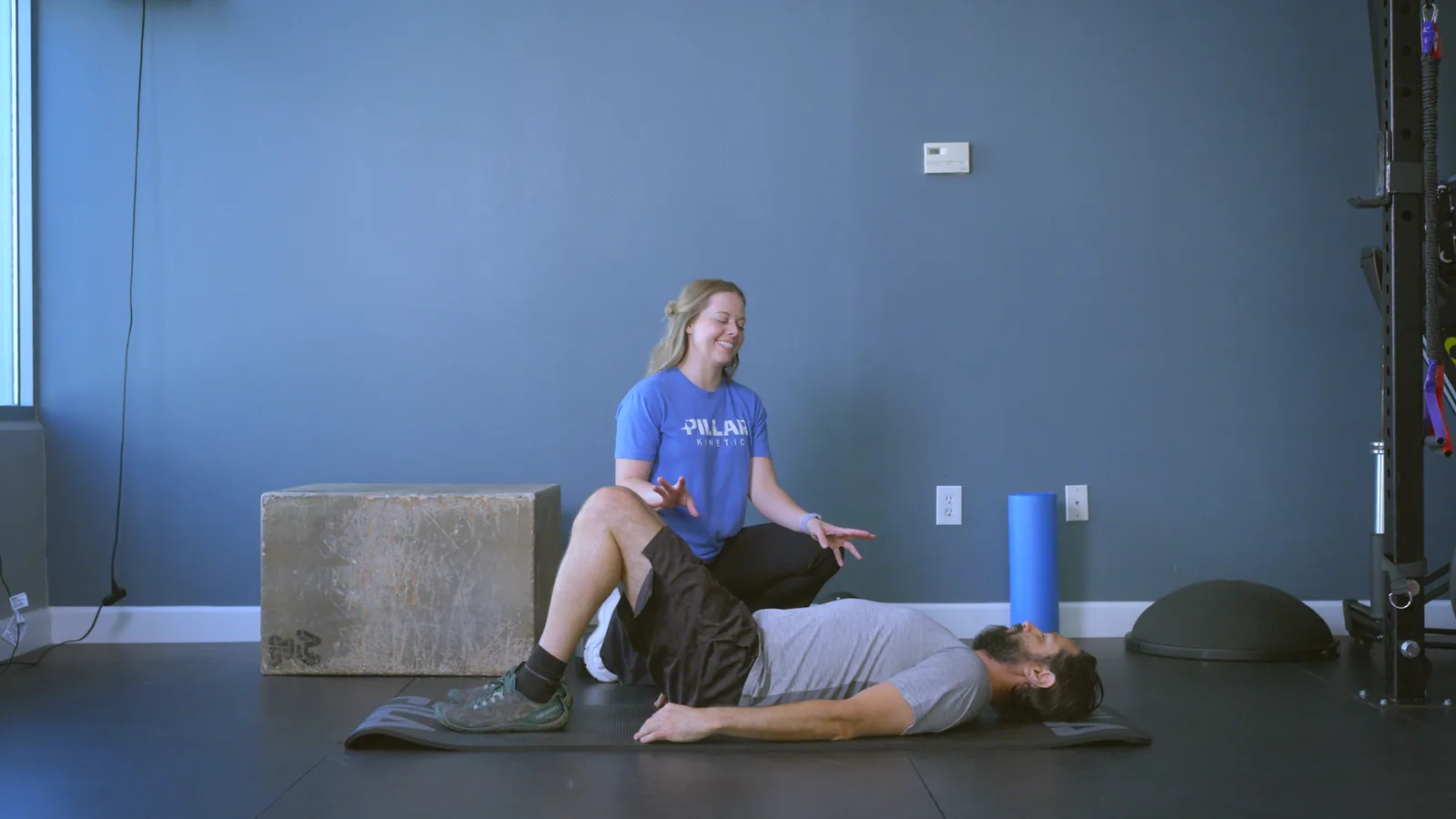
Your evaluation covers your injury history, movement quality, strength, joint mobility, and functional testing specific to your sport and goals. We'll give you a clear picture of what's driving your knee symptoms, what the realistic recovery timeline looks like, and exactly what we're going to do about it.
Every session is one-on-one with your therapist. No aides, no handoffs.
Book appointmentRelated care
More in performance physical therapy: return to sport testing and rehab; running injury physical therapy; groin strain and hip labral rehab for athletes; and knee pain physical therapy.
ACL injury rehabilitation for patients from Las Vegas, Spring Valley, North Las Vegas, Summerlin South, Summerlin and Summerlin West, at our clinic at 7381 Prairie Falcon Rd, Ste 110, Las Vegas.