

Running gait analysis in Las Vegas
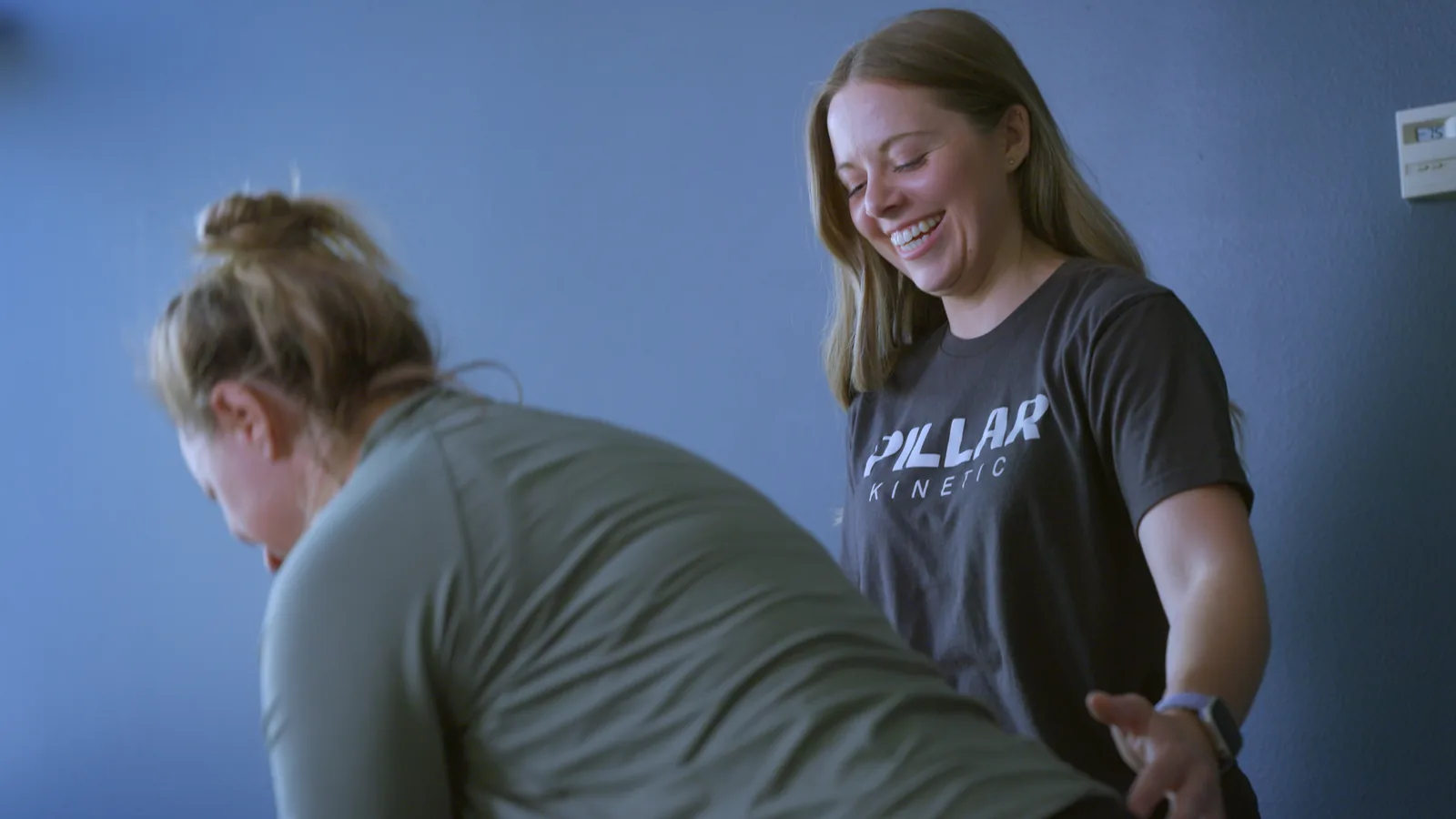
It is part of how we evaluate running injuries, because the cause is usually something specific, and the way to find it is to watch you run.
What the analysis covers
We also go through your training history and recent load, because load going up faster than capacity is often part of the story.
- Video of you running
- Foot and ankle loading
- Knee and hip mechanics
- Trunk control
- Cadence and ground contact time
- Hip, calf and foot strength
- A mobility screen
Who it is for
If running is the thing that hurts, watching you run is how we find the reason.
- Recurring pain: the same knee, shin or heel pain at a predictable distance
- Coming back: returning to running after an injury or time off
- Building up: starting a new training block or season
- Told to run less: advice that treats the symptom, not the problem
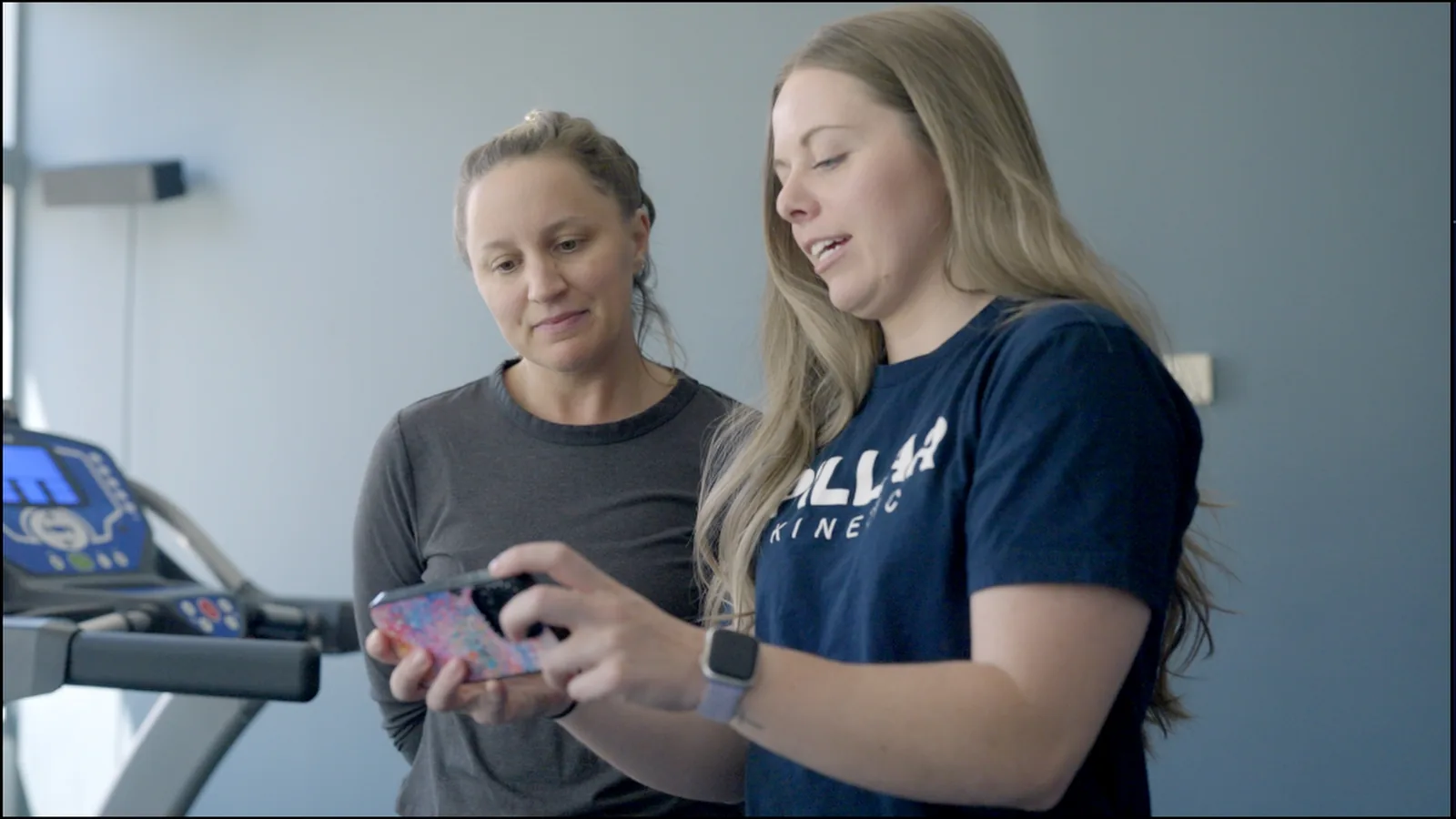
What the video shows that pain alone cannot
Most running injuries are overuse injuries that develop gradually under repetitive load, so there is almost always a root cause. On video we can see it: how you load the ankle at midstance, what the knee and hip are doing, and your cadence and ground contact time.
What we see on video is matched against what the strength and mobility screen finds, so the plan targets the cause rather than the sore spot. We treat the movement pattern behind the pain, not just the sore body part.
How a gait analysis runs
History and training
Your injury history, your training history, and how your training load has changed recently.
Strength and mobility screen
Hip, calf and foot strength measured with numbers you can track, and the mobility your stride needs.
Video of you running
We record you running and review it from the foot up to the trunk, across the whole gait cycle.
A plan that changes something
Specific strength work, any change to cadence or load, and a return-to-running progression, all built from what the video and the screen showed.

Your first visit
An hour, one-on-one. Your injury and training history come first, then a movement assessment, strength testing and, when it is appropriate, video of you running.
You leave with a picture of what is behind your symptoms and a plan that keeps you running as much as possible while you recover.
Book appointmentFrequently asked questions
Can a gait analysis help with back pain from running?
It can. Back pain from running is often a mechanics issue, with pelvic stability, hip extension and trunk control all feeding into it, and the video shows how your hip and trunk move as you run.
Will you tell me to change how I run?
If something in how you run is linked to your pain, yes. It might be your cadence and ground contact time, how you load the ankle at midstance, or the hip strength behind it.
Can I keep running while we work on it?
Usually, at a lower volume, as long as the pain calms down within 24 hours and has not built up by the following morning.
Is foam rolling my IT band enough?
No. IT band pain is driven by how the hip moves, not by the IT band being too tight, which is why we look at the hip on video and in the strength screen.
Related care
More in performance physical therapy: running injury physical therapy; foot and ankle pain physical therapy; knee pain physical therapy; and sports physical therapy.
Running gait analysis for patients from Las Vegas, Spring Valley, North Las Vegas, Summerlin South, Summerlin and Summerlin West, at our clinic at 7381 Prairie Falcon Rd, Ste 110, Las Vegas.