

Pelvic organ prolapse therapy in Las Vegas
It can follow pregnancy and birth, and it is common in menopause. Some people have a prolapse with no symptoms at all.
Symptoms people describe
We also check for prolapse symptoms in people who come in for something else, such as a return to running after a baby.
- Heaviness or pressure in the pelvis or lower abdomen
- A bulge, or a sense of something falling out
- Symptoms that come on with running, jumping or lifting
- Leaking with coughing, sneezing or jumping

What physical therapy changes
Physical therapy will not move an organ back into place. What it changes is the support underneath: pelvic floor strength and endurance, how your core manages pressure, and how you breathe, lift and move.
The aim is fewer symptoms day to day, and staying active without making the prolapse worse.
Pressure is the thread
When you cough, laugh, sneeze, lift or exercise, the pressure inside your abdomen rises, and your core, pelvic floor included, has to resist it. Learning to manage that pressure is a large part of the plan.
Through pregnancy, after birth and in menopause
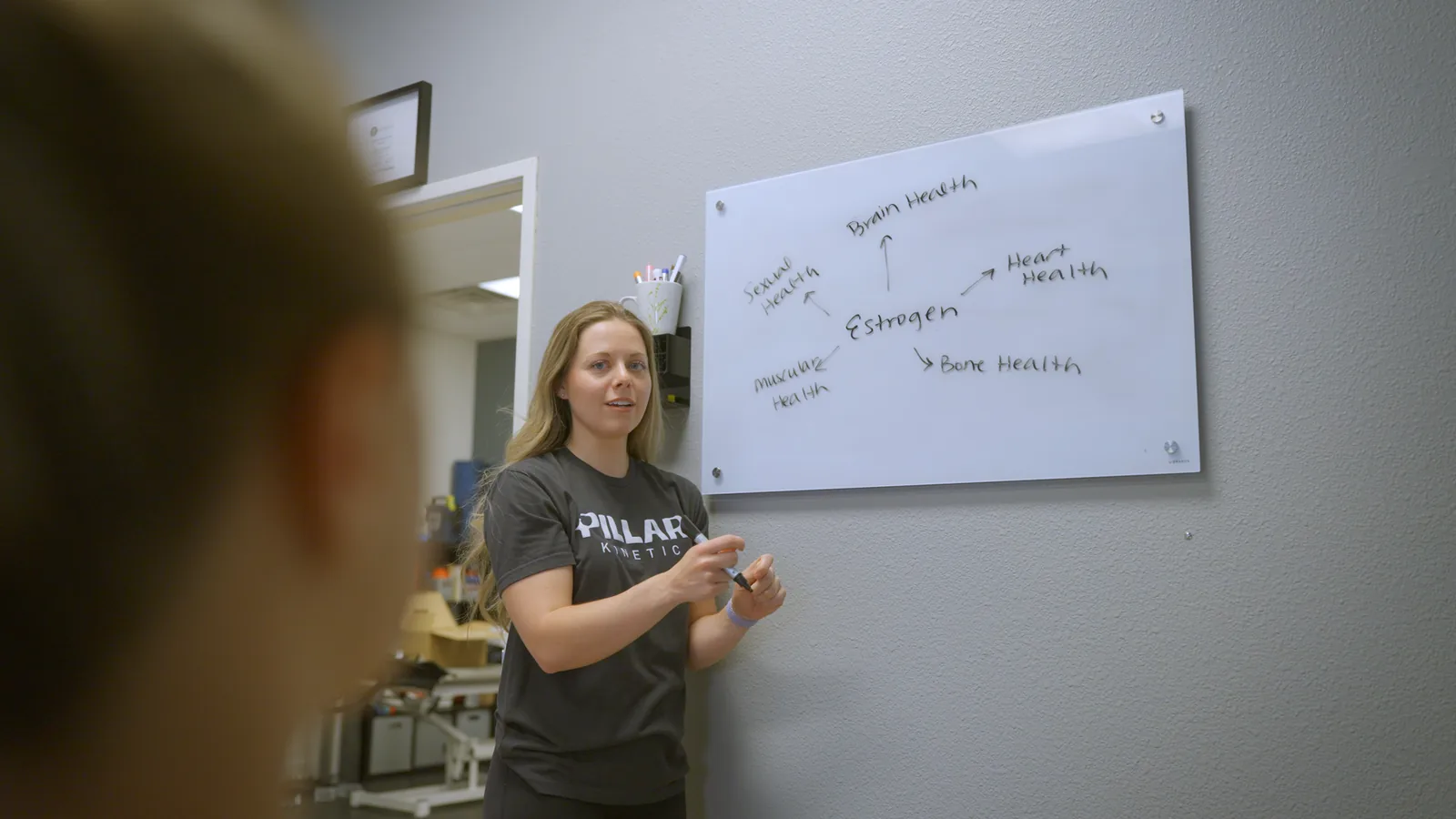
Pressure problems such as prolapse can begin or worsen in pregnancy and the months after birth, and the pressure control you learn then keeps helping later. In menopause, lower estrogen changes the elasticity of the pelvic tissues, and strength work becomes a bigger part of the plan. We often coordinate care with our women's strength training program.
What the plan can include
Sessions are private and one-on-one.
- Pelvic floor strength and endurance
- Coordination with your breathing and core
- Pressure management for lifting and exercise
- Progressive strength training
- Hands-on soft tissue work
- A home program
Your first visit for prolapse
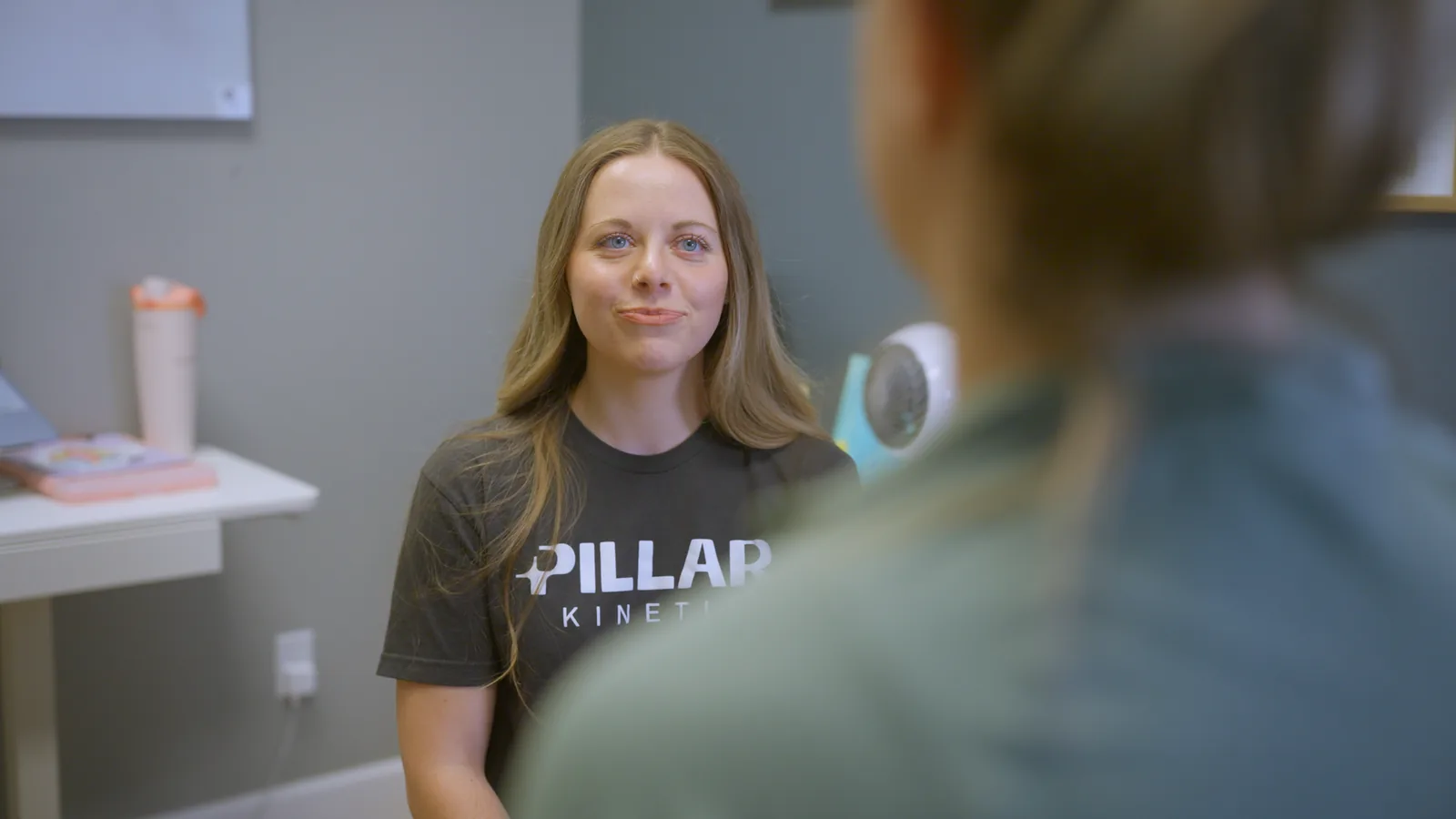
An hour, one-on-one. We talk through your history, symptoms and goals, then assess your spine, hips, pelvis and abdomen.
A pelvic floor muscle exam, internal and/or external, gives the clearest picture of the support, and it only happens with your consent.
Book appointmentFrequently asked questions
Can physical therapy fix a prolapse?
It does not reverse a prolapse structurally. What it changes is how much the prolapse bothers you, through better support and better pressure control.
Can I keep exercising with a prolapse?
With a plan, yes. We check how your symptoms respond to lifting and impact and build your training around it, so you do not have to choose between your recovery and your training.
I have a prolapse repair scheduled. Should I start now?
Yes. Working on pelvic floor support before the repair, and again after it, helps you get the full benefit of the surgery.
Is a prolapse the same as a weak pelvic floor?
Not quite. The pelvic floor muscles are one part of the support, with the ligaments and connective tissue around them, so a prolapse is not simply a sign of weak muscles.
Related care
More in pelvic floor physical therapy: menopause and perimenopause physical therapy; postpartum physical therapy; diastasis recti physical therapy; and post-surgical pelvic rehabilitation.
Pelvic organ prolapse therapy for patients from Las Vegas, Spring Valley, North Las Vegas, Summerlin South, Summerlin and Summerlin West, at our clinic at 7381 Prairie Falcon Rd, Ste 110, Las Vegas.