

Running injury physical therapy in Las Vegas
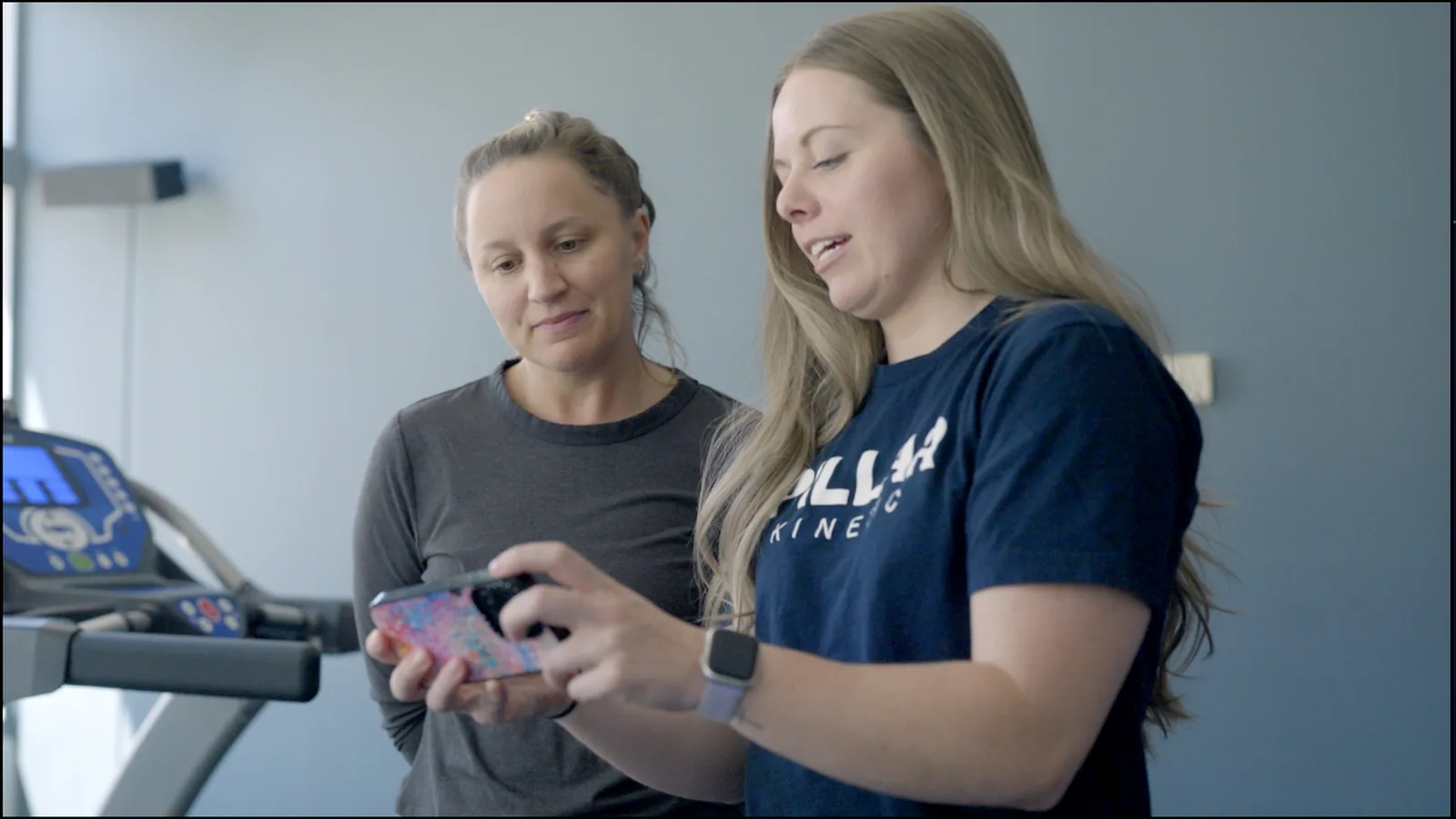
Las Vegas is a year-round running city.
It's also a city full of runners dealing with injuries they've been told to manage by simply running less.
That advice treats the symptom, not the problem.
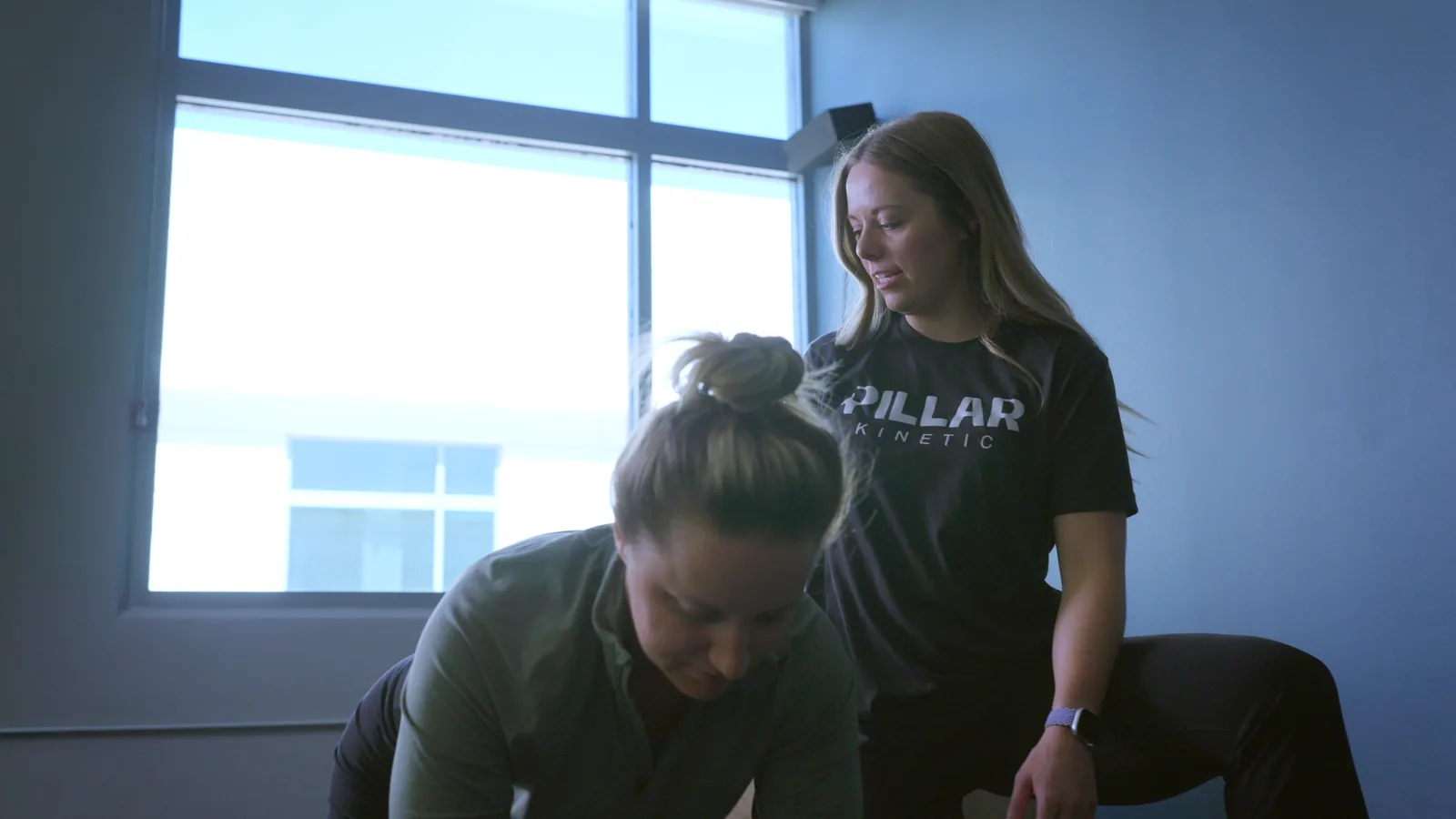
Why "just rest it" doesn't solve the problem
Most running injuries are overuse injuries. They develop gradually under repetitive load. That means there's almost always a root cause: a strength deficit, a mechanical inefficiency, a training error, or some combination of all three.
If you rest, the pain goes away. You start running again. The pain comes back. The cycle continues.
Breaking that cycle means identifying what created the vulnerability in the first place and correcting it. That might be hip abductor strength. It might be cadence and ground contact time. It might be how you're loading the ankle at midstance. It's usually something specific and fixable, and the only way to find it is a thorough evaluation that includes watching you run.
We look at how you actually run
A running evaluation at Pillar Kinetic includes video gait analysis. We watch you run and assess what's happening at the foot, ankle, knee, hip, and trunk across your gait cycle. That information directly shapes your treatment plan and your return-to-running progression.
We don't just treat the painful body part. We treat the movement pattern that loaded it wrong.
Running injuries we treat
Plantar fasciitis
Heel and arch pain that's worst in the morning or after sitting, then improves with movement, then worsens again. One of the most common running injuries and one of the most mismanaged. Rest doesn't fix it. Progressive loading does.
Achilles tendinopathy
Pain and stiffness in the Achilles, at the insertion or mid-substance. Like plantar fasciitis, this responds to progressive tendon loading, not rest. The right loading program, done correctly, produces reliable results.
IT band syndrome
Lateral knee pain that appears predictably at a certain distance into the run. Driven by hip mechanics, not by the IT band being "too tight." Foam rolling the IT band is not the answer.
Patellofemoral pain (runner's knee)
Anterior knee pain with running, stairs, or prolonged sitting. Almost always tied to a combination of hip strength deficits and running mechanics. Both are addressable.
Shin splints (medial tibial stress syndrome) and stress fractures
Shin pain that comes on with running and lingers. There's a spectrum here, from bone stress reaction to frank fracture, and it matters clinically which one you have. We assess and manage accordingly.
Hip flexor and groin strains
Acute or chronic groin and hip flexor pain that limits stride length and speed. Common in runners who also play field sports.
Low back pain with running
Running-related back pain is often a mechanics issue: pelvic stability, hip extension, and trunk control all feed into it.
Keeping you running while you recover
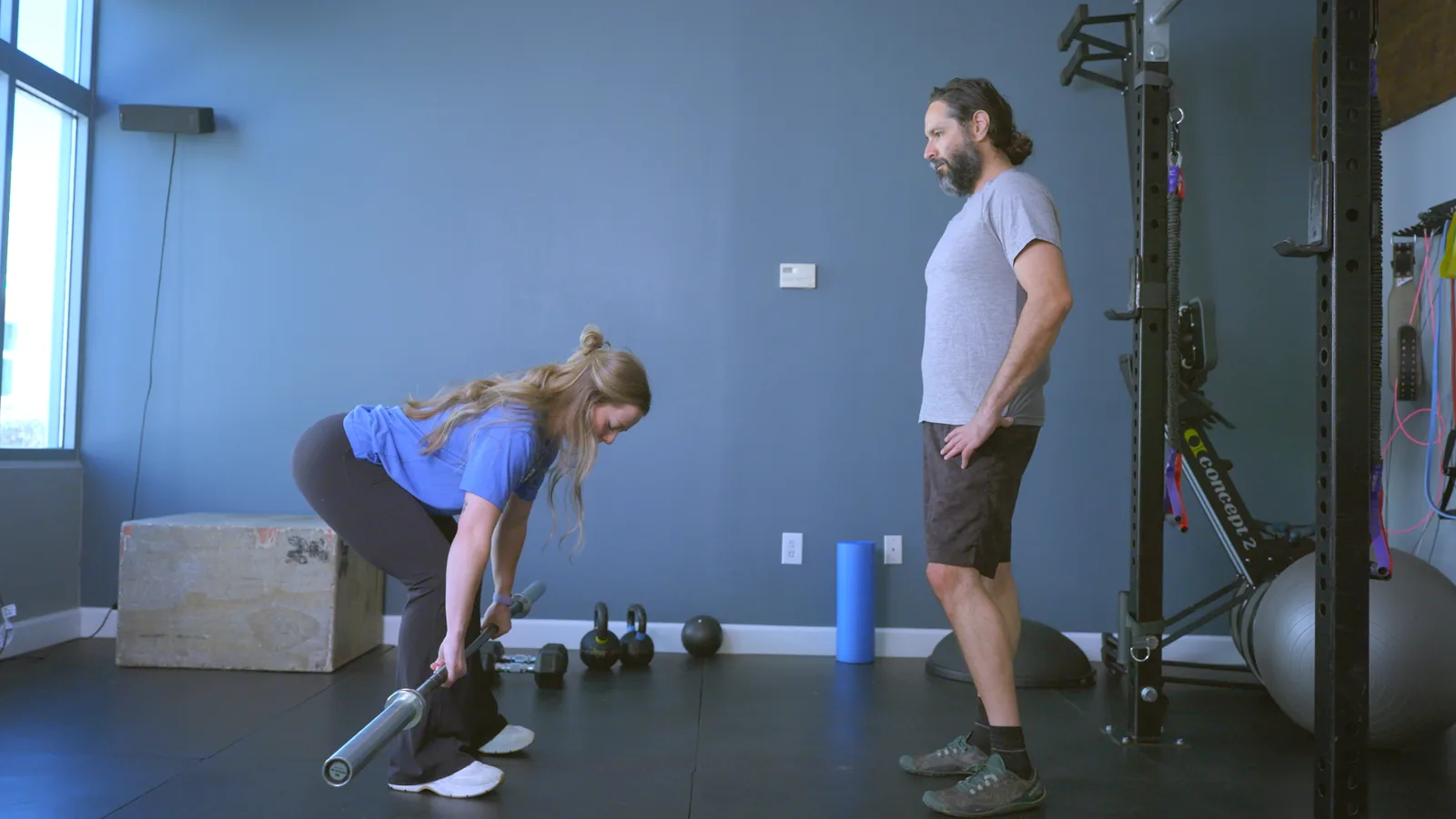
Your evaluation covers your injury history, training history, movement assessment, strength testing, and, when appropriate, video running analysis. You'll leave with a clear picture of what's driving your symptoms and a plan that keeps you as active as possible while you recover.
Sessions are one-on-one with your therapist, every visit.
Book appointmentRelated care
More in performance physical therapy: ACL injury rehabilitation; tendinopathy and tendonitis rehab; foot and ankle pain physical therapy; and running gait analysis.
Running injury physical therapy for patients from Las Vegas, Spring Valley, North Las Vegas, Summerlin South, Summerlin and Summerlin West, at our clinic at 7381 Prairie Falcon Rd, Ste 110, Las Vegas.