
Should you ice an injury?
We're performance physical therapists. We work with athletes, and with people who want to perform at their peak. A lot of people who train or play sports get injured at some point.
In this article
Related care
Performance physical therapy in Las Vegas
Serious care, without being a professional athlete.
Book appointmentFor a long time, RICE (Rest, Ice, Compression, Elevation) has been the standard advice for acute injuries. Recent research and clinical experience have challenged icing as a primary treatment. After an injury, movement helps you recover better than icing does.
3 Problems with Icing an Injury
Icing became common practice after Dr. Gabe Mirkin made the RICE acronym famous in 1978. The idea was to use ice to control inflammation and reduce swelling. When new evidence came out, Mirkin withdrew his stance on the Rest and Ice part of RICE. Ice may give you some temporary pain relief. It also creates problems, and it may make healing take longer.
Masks Pain Signals
Numbing pain is the main benefit of ice. It's also the problem. Pain is useful feedback. It warns you about possible tissue damage and dysfunction. When ice numbs it, you can miss the signals that tell you you're pushing too hard, or that a movement is making the injury worse.
Inhibits Healing Response
Most people think of inflammation as the enemy. It's actually a crucial part of how your body heals. It clears out damaged tissue, brings nutrients and immune cells to the injury, and starts the repair. If you shut down inflammation with too much icing, you may slow your body's natural healing response.
Causes Muscle Stiffness
Icing can leave the area temporarily stiff and harder to move. Ice may ease the pain at first, but it can also get in the way of moving and functioning well. That can lead to compensating with other movement patterns, and a longer recovery.
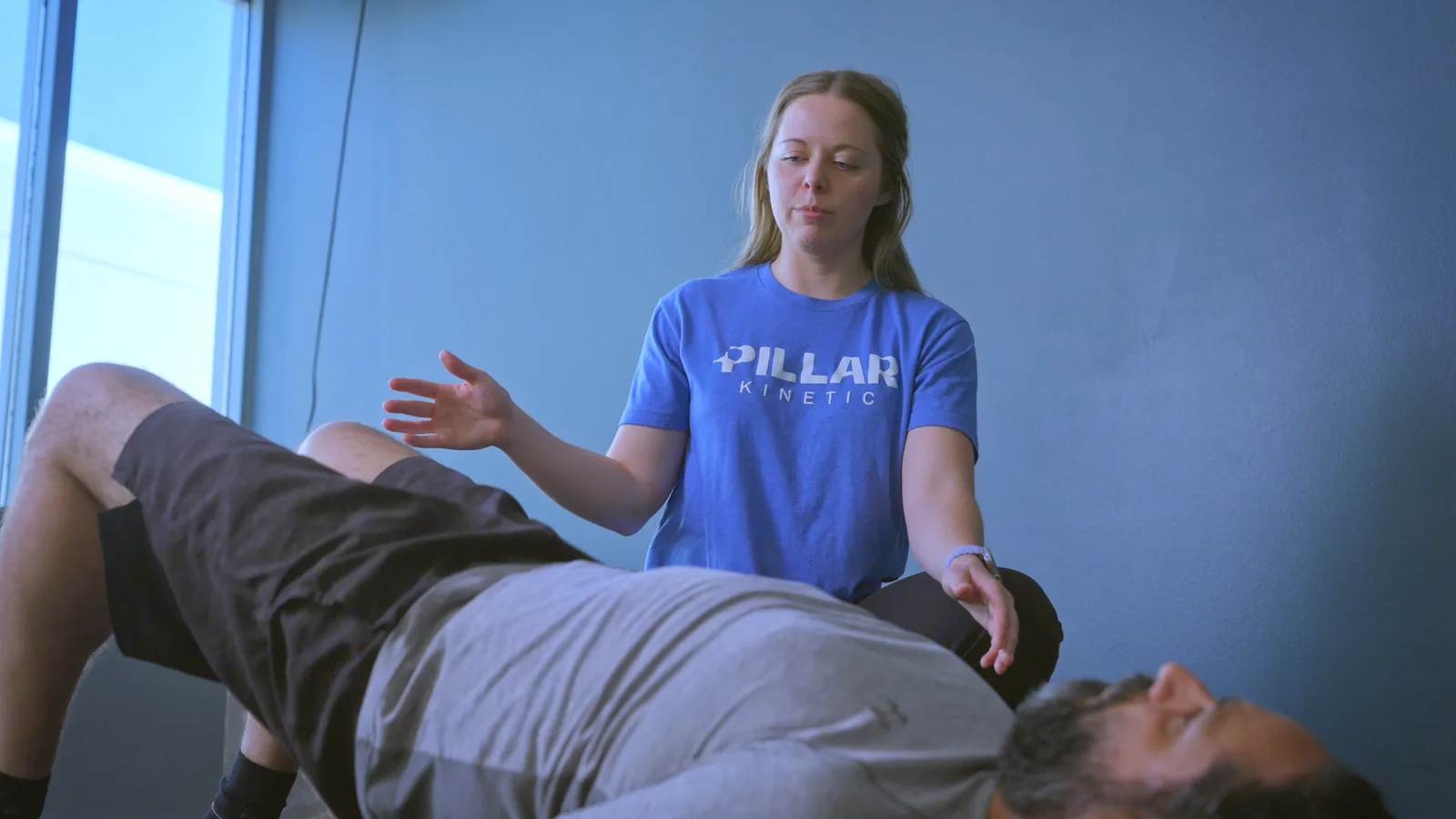
Why We Recommend Movement Instead
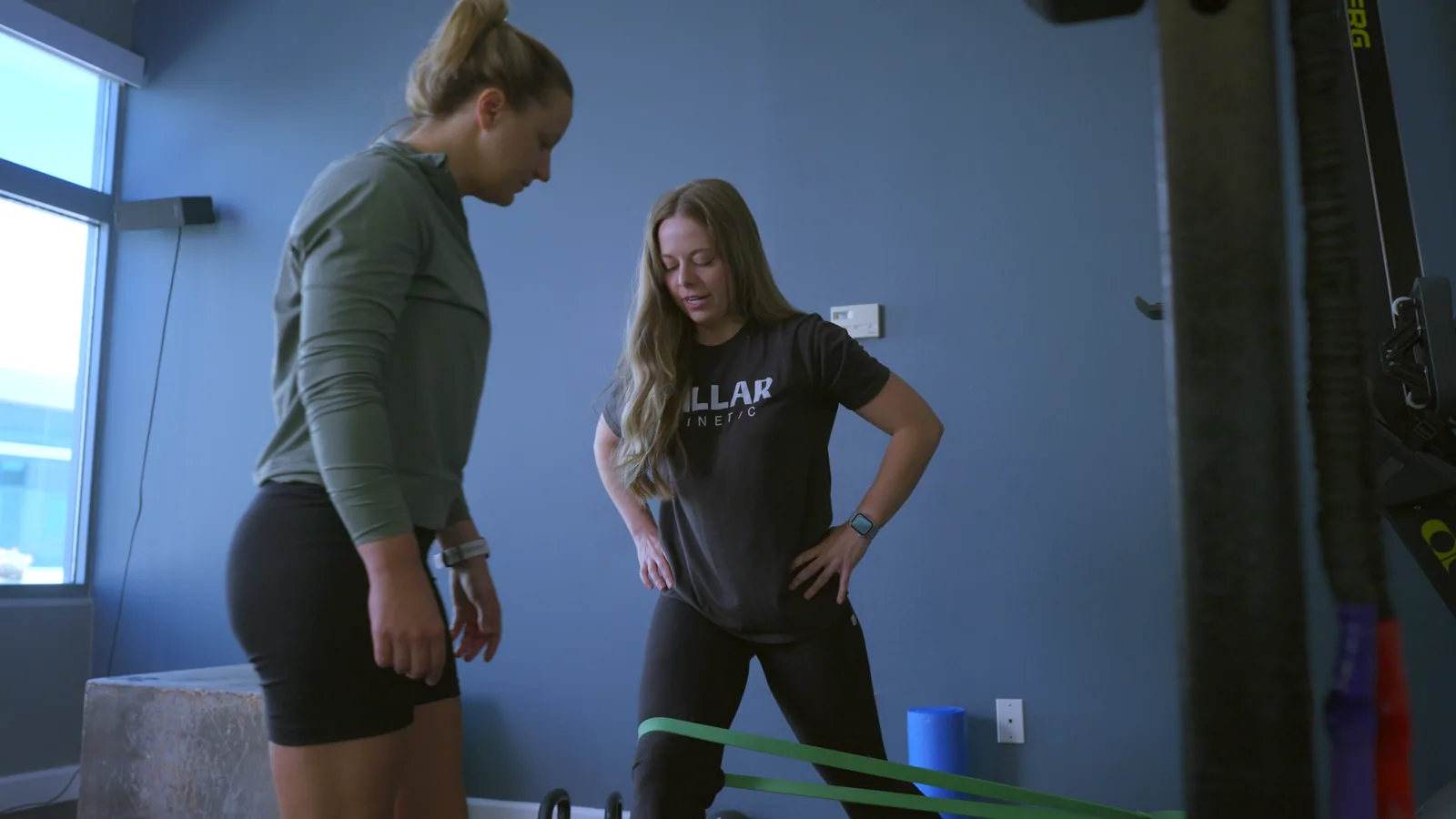
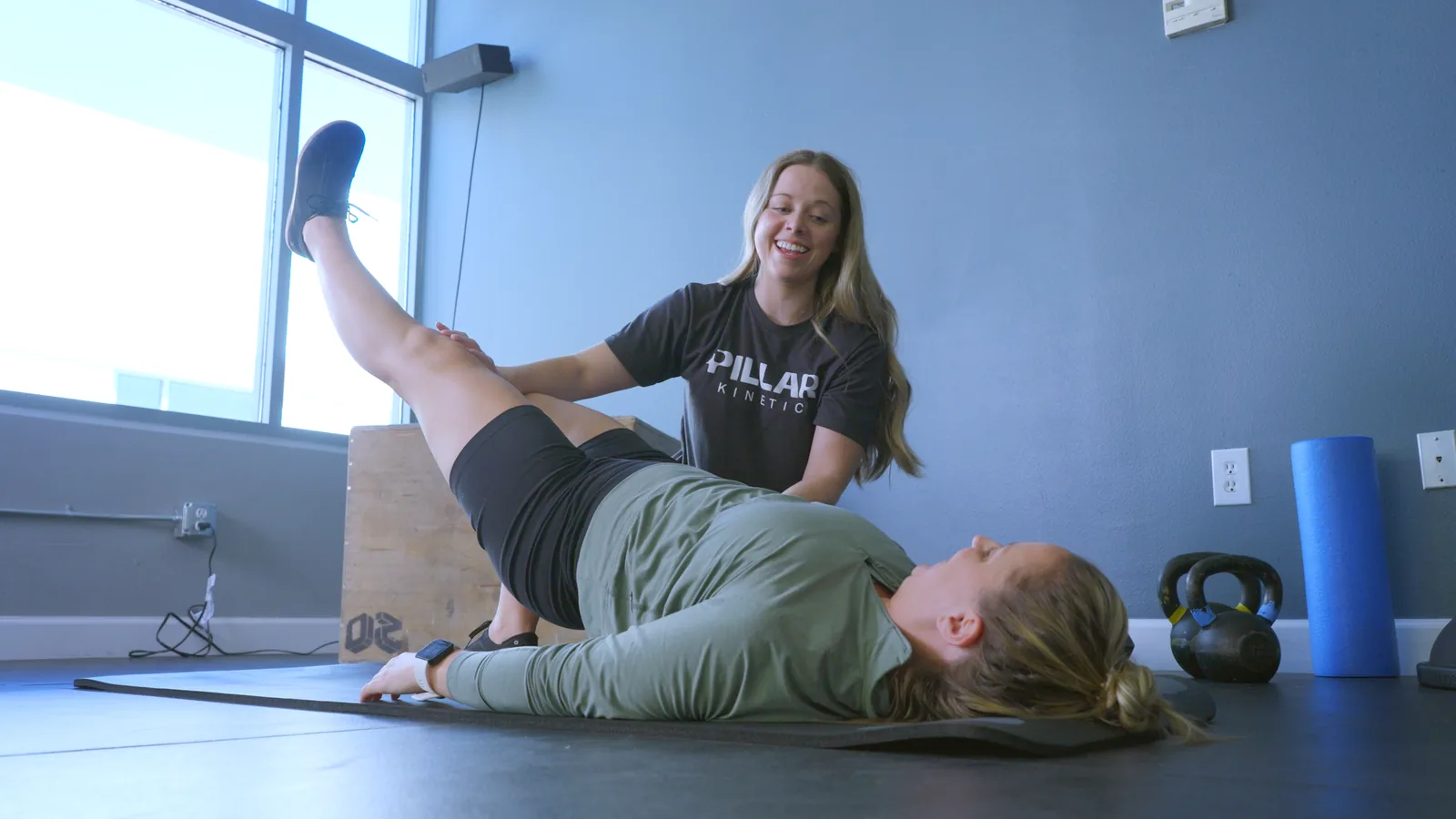
Instead of the usual rest and ice, we get you moving after an injury. That helps recovery and rehab in three main ways.
Movement Promotes Circulation
Movement gets blood flowing to the injured area. That blood brings the oxygen, nutrients, and healing factors your tissue needs to repair. Gentle, controlled movement can also help reduce swelling and inflammation by improving lymphatic drainage and circulation.
Movement Maintains Your Range of Motion
Rest and keeping the area still can lead to stiffness and less range of motion in the joints and muscles involved. Moving early in your recovery helps you keep your flexibility and joint mobility, and it helps prevent muscle atrophy.
Movement Enhances Neuromuscular Control
Therapeutic exercises and functional activities retrain your neuromuscular system and help restore healthy movement patterns. When we bring movement back gradually and in a controlled way, we can improve your proprioception, coordination, and functional stability.
Practical Strategies for Movement-Based Recovery
If you recently got hurt, try these. They use movement instead of ice to help you heal:
- Active Range of Motion Exercises: Do gentle, pain-free movements that target the injured area. This will improve your flexibility and keep you mobile.
- Functional Movement Patterns: Do activities that mimic how you move day to day. As the pain or soreness eases, work up to harder tasks.
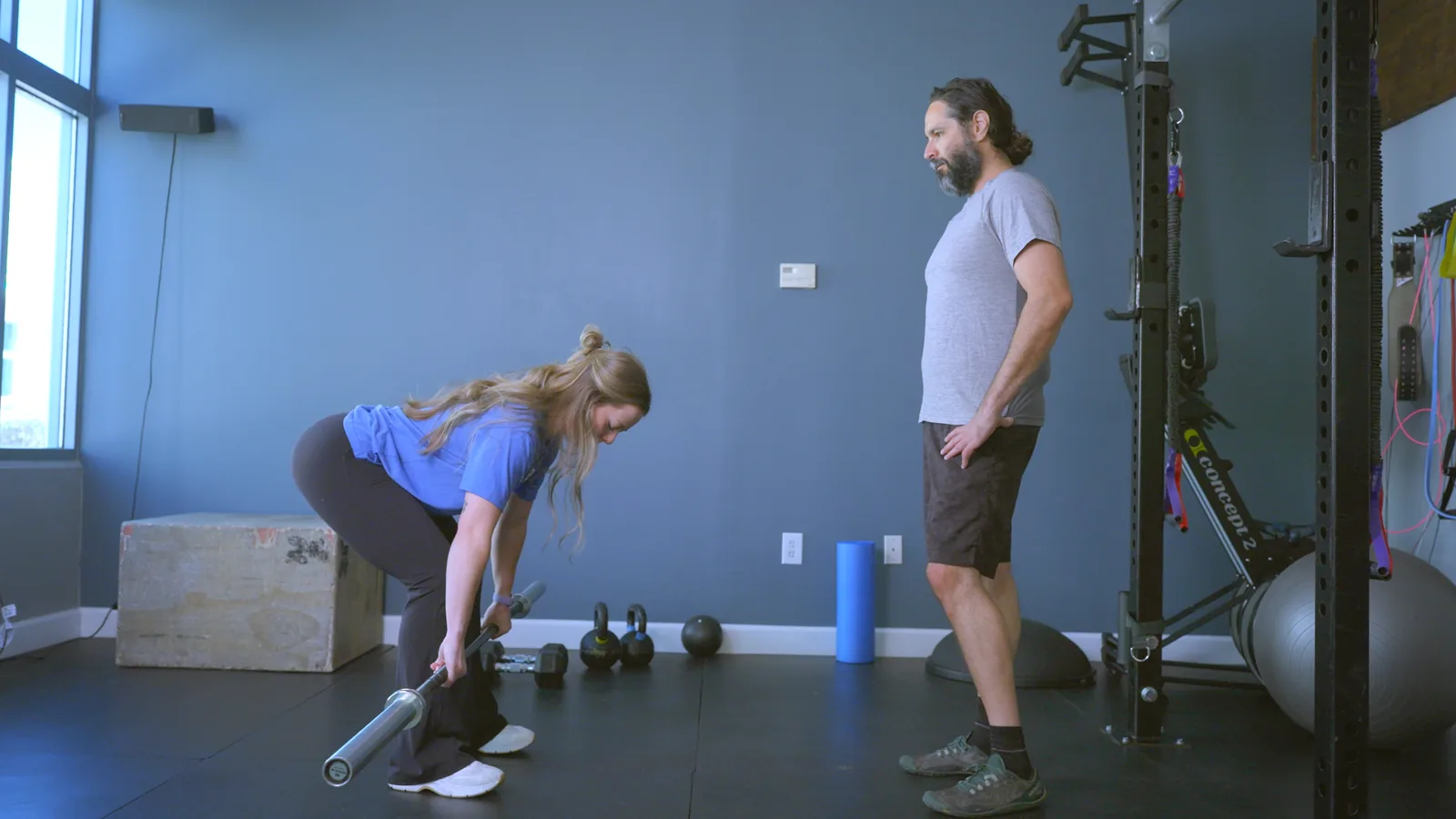
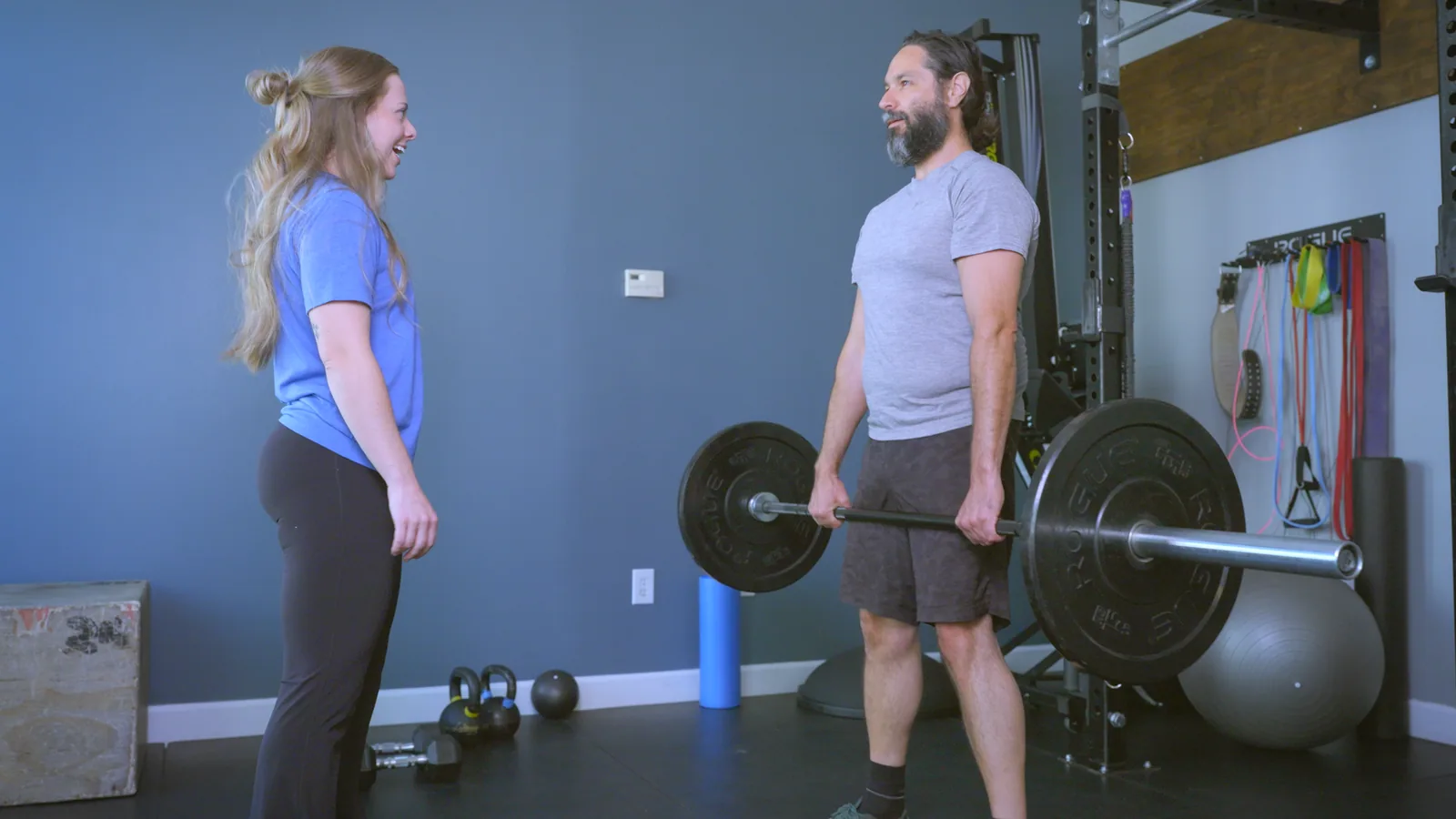
- Strength and Stability Training: Strengthen the muscles around the injury so they support it and you don't start compensating in other ways.
- Proprioceptive and Balance Exercises: Use balance drills and proprioception exercises to sharpen your sense of where your body is and restore functional stability.
Final Thoughts: Why We Prefer Movement
Icing may still have a place in acute injury care for pain relief. But movement is a powerful tool for recovering and getting function back. We want you to take an active part in your rehab, with movement as a key part of how you recover.
When we stop treating rest and staying still as the plan, and focus on movement that restores function, you get better results and less downtime. You get back to what you want to do, with confidence. Movement is medicine. Use it, and trust your body's ability to heal.
If you're recovering from an injury, the Las Vegas physical therapists at Pillar Kinetic are here to help. We use movement to help you recover and restore function.
Book a free 15-minute phone call
Get back to doing what you love, completely pain-free. Take the first step and schedule a free 15-minute phone call with our Las Vegas physical therapy clinic.