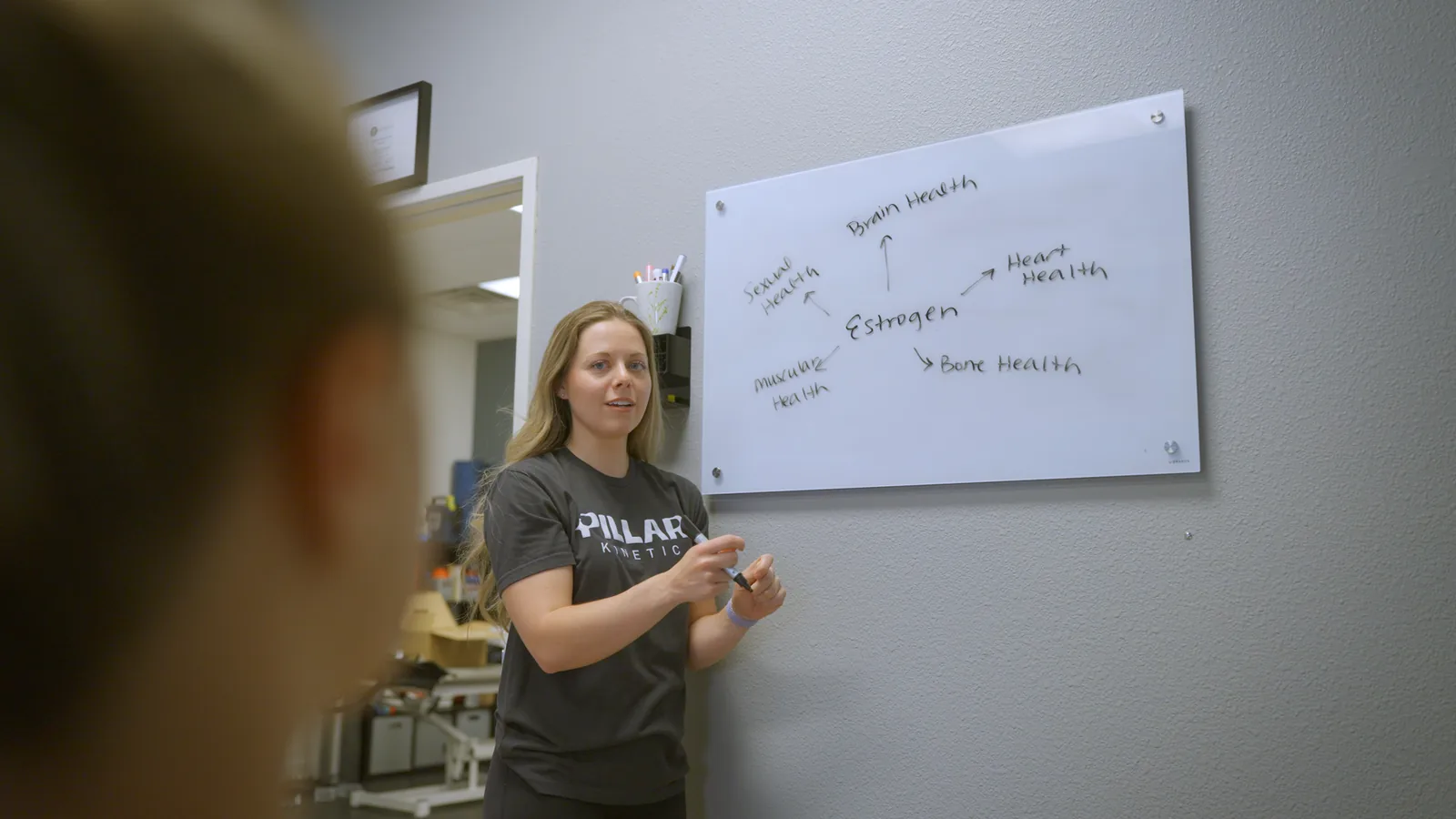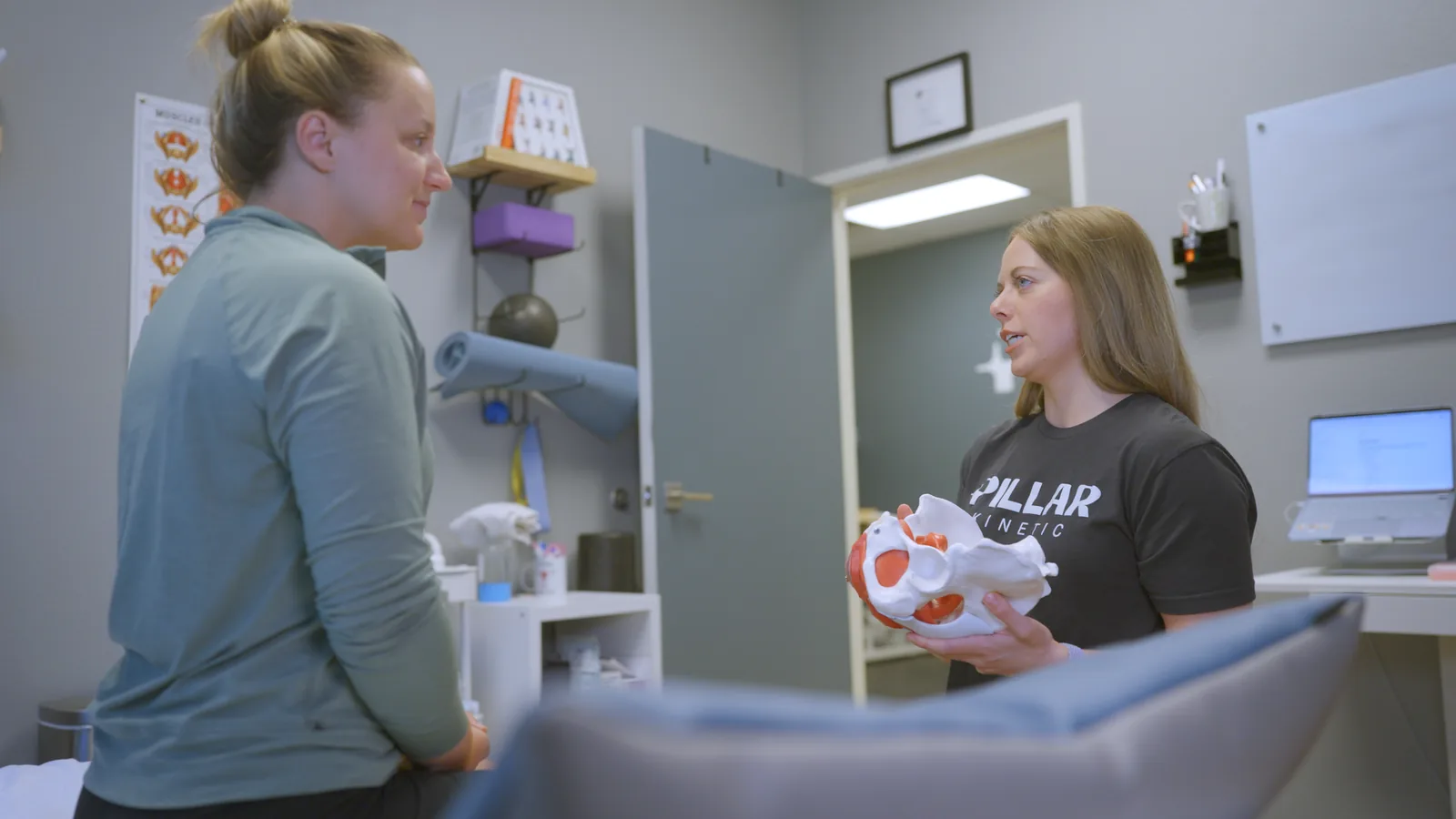

What Pelvic Floor Therapy Sessions Actually Include
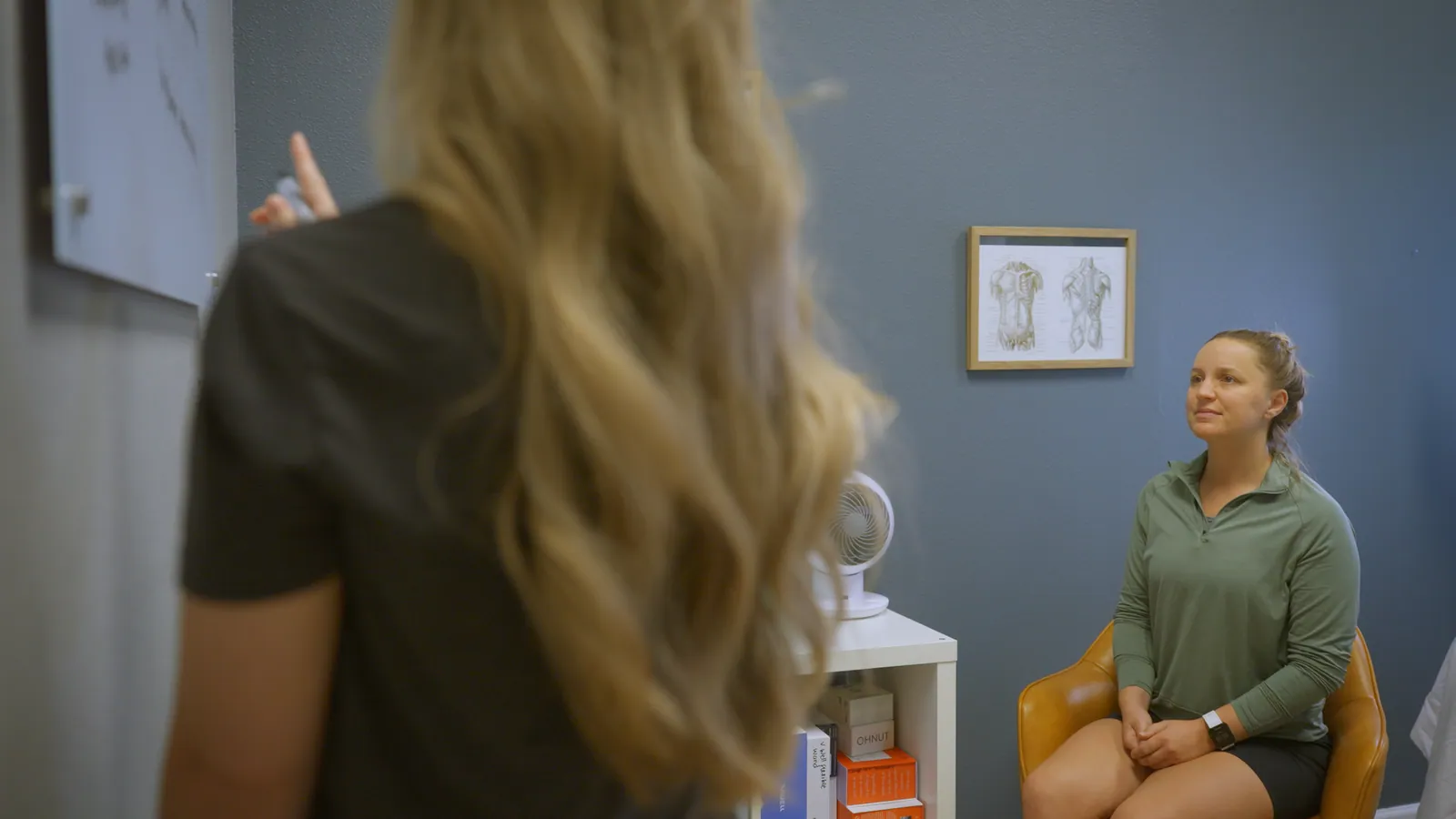
Real sessions are broader: history, education, movement, breathing, and often an internal muscle exam when appropriate and consented.
In this article
Related care
Pelvic floor physical therapy in Las Vegas
Common is not the same as normal.
Book appointmentThis guide sets expectations before a first visit. Booking and commercial service details live on pelvic floor physical therapy at Pillar. This post does not create a second commercial landing page with the same service H1.
What a typical first session covers
| Block | What usually happens |
|---|---|
| History | Symptoms, pregnancy/postpartum timeline if relevant, surgeries, bowel/bladder habits, pain triggers |
| Goals | What "better" means for you (pain, leakage, return to sport, intercourse comfort, core strength) |
| Orthopedic screen | Hips, spine, breathing pattern, posture, load tolerance |
| Pelvic floor exam | External and, with consent, internal assessment of tension, strength, coordination |
| Education | Anatomy without shame, what the findings mean in plain language |
| Home plan | 1 to 3 clear drills, not a 20-exercise dump |
Exact flow varies by clinic policy and your comfort. You can decline any part of the exam and still receive care.

Internal exam: consent first
An internal pelvic floor exam (vaginal and/or rectal, depending on presentation) is a clinical tool, not a requirement for walking in the door. Therapists explain why it helps, what you will feel, and how to stop at any time.
Ask about consent, gowning, and chaperone options before your visit starts.
If you prefer to start with external assessment only, say so when you book and again at the visit. A good clinician will not pressure you into an exam you are not ready for.
What follow-up visits look like
- Recheck symptoms and home-program adherence
- Manual therapy when indicated (external and/or internal)
- Progressive loading: strength, coordination, impact readiness
- Bowel/bladder behavioral strategies when relevant
- Coordination with OB/GYN, urogynecology, or primary care when needed
Ask the desk for typical visit length and how starter plans are usually structured.
Progress should be measurable. Ask what markers your therapist is watching so you know whether the plan is working or needs a change.
Who this care often helps
- Leakage with coughing, running, or lifting
- Pelvic pain, pressure, or heaviness
- Postpartum return to exercise
- Prep or recovery around pelvic surgery
- Constipation patterns tied to pelvic floor coordination
- Pain with intercourse (when PT is an appropriate part of the plan)
- Men with pelvic pain or post-prostatectomy concerns (see our men-focused guide when live)
This list is educational, not a diagnosis. Red-flag symptoms (fever with pelvic pain, unexplained bleeding, sudden neurological loss) need medical care first.
What sessions are not
- Not a spa massage appointment
- Not endless unsupervised Kegels for everyone (over-recruiting a tight floor can worsen pain)
- Not a replacement for medical workups your physician ordered
- Not a promise that every symptom resolves in a fixed number of visits
Men and pelvic floor PT
Pelvic floor therapy is not only a postpartum service. Men seek care for pelvic pain, urinary symptoms, and post-prostatectomy recovery. The exam and plan differ by anatomy and goals, but the same consent rules apply. See Pillar's men-focused resource when it is live, and use the service page for booking either way.
How to prepare
- Write your top three symptoms and when they started.
- Bring a medication and surgery list.
- Wear movable clothing.
- Arrive with questions about exam consent.
- Book through the Pillar pelvic floor therapy page.
Common first-visit nerves (normal)
Many people worry about embarrassment, pain during exam, or "failing" a strength test. Say those worries out loud. Therapists who specialize in pelvic health hear them daily. You set the pace. You can pause. You can ask for a chaperone policy explanation before anything happens. Ask for chaperone and privacy details before anything happens.
Home program: quality over volume
A good home plan is short enough that you will actually do it. One breathing drill, one coordination drill, and one load progression beat a printed packet you ignore. Ask your therapist what "done well" looks like for each drill and what pain or leakage during home work means (stop, modify, or continue). Bring notes to the next visit so the plan can change based on real life, not guesswork.
If symptoms spike after a new exercise, say so early. Over-recruiting a already-tight pelvic floor is a common way well-meaning Kegel advice backfires.
Coordinating with your medical team
Pelvic floor PT works alongside physicians, not instead of them. Bring imaging reports you already have, surgical dates, and medication lists. If your OB/GYN or urogynecologist set lifting or impact limits, put those in the chart on day one. Bring referral notes and lifting limits from your physician so Pillar can coordinate care.
FAQ
Do I need a referral?
Referral and insurance rules vary. Ask Pillar what applies to your plan when you book.
Will I do Kegels on day one?
Only if appropriate. Many patients need down-training or coordination first.
Is this the same as seeing a urogynecologist?
No. PT focuses on muscle function and movement. Medical and surgical decisions stay with your physician.
Does this post create a second money page?
No. Session-expectations intent only. The service URL keeps commercial ownership.
How soon after birth can I start?
Ask Pillar about postpartum timing; medical clearance rules still apply when your physician requires them. Medical clearance rules still apply when your physician requires them.
Sources
- Professional pelvic health PT education resources (APTA Academy of Pelvic Health style primers) should be linked in CMS after clinical review.